
The Coffee World Is Wilder Than Most People Realize
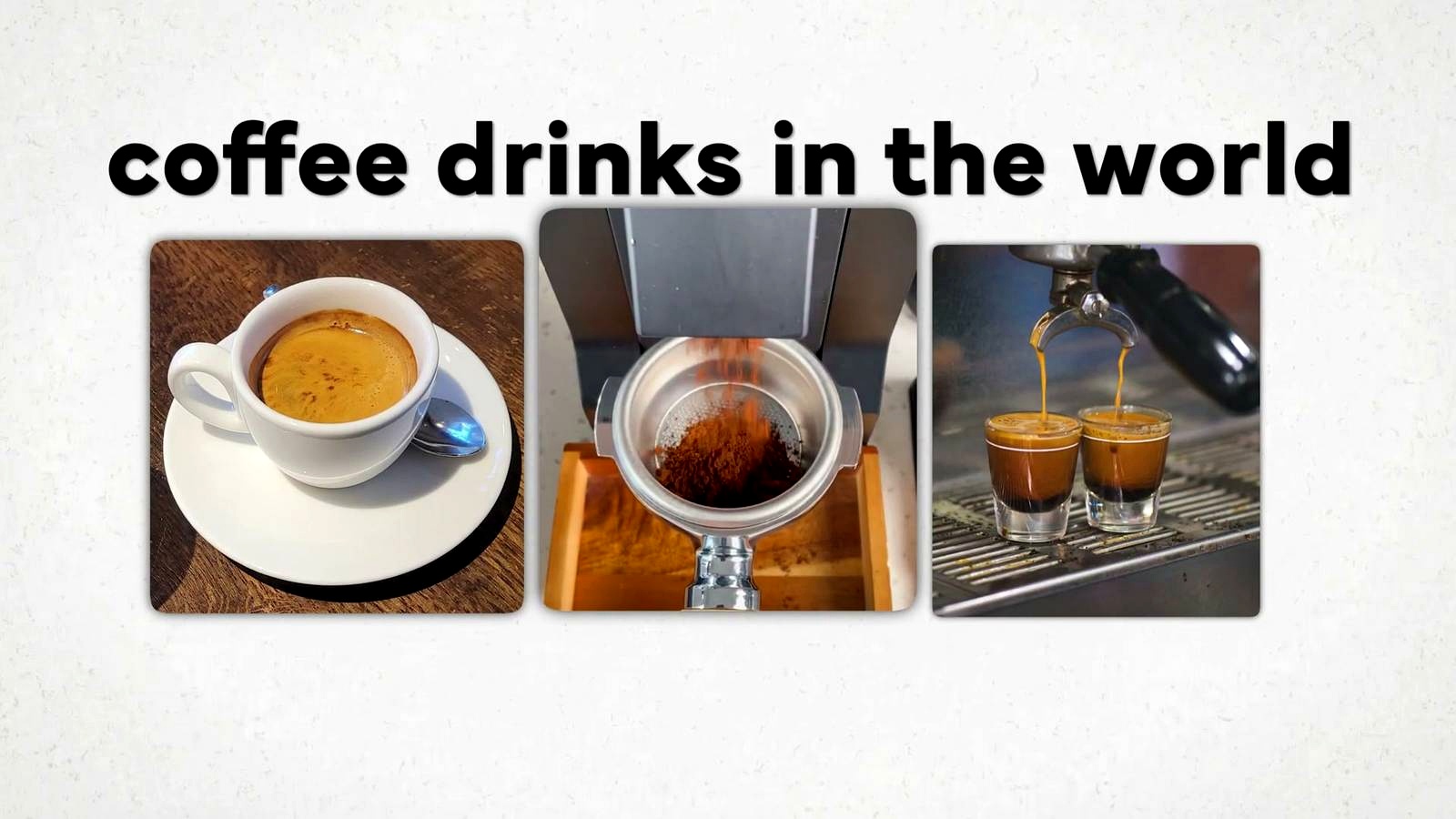
Some coffees feel familiar. Others sound almost unreal until you see how they are made, poured, or shared. From tiny intense shots to slow ceremonies and sweet layered glasses, coffee turns out to be far more dramatic than a simple morning habit.
This is the world behind the cup: old rituals, accidental inventions, drinks built for speed, drinks built for reflection, and a few that completely rewrite what coffee can be.
Espresso: the drink that changed everything
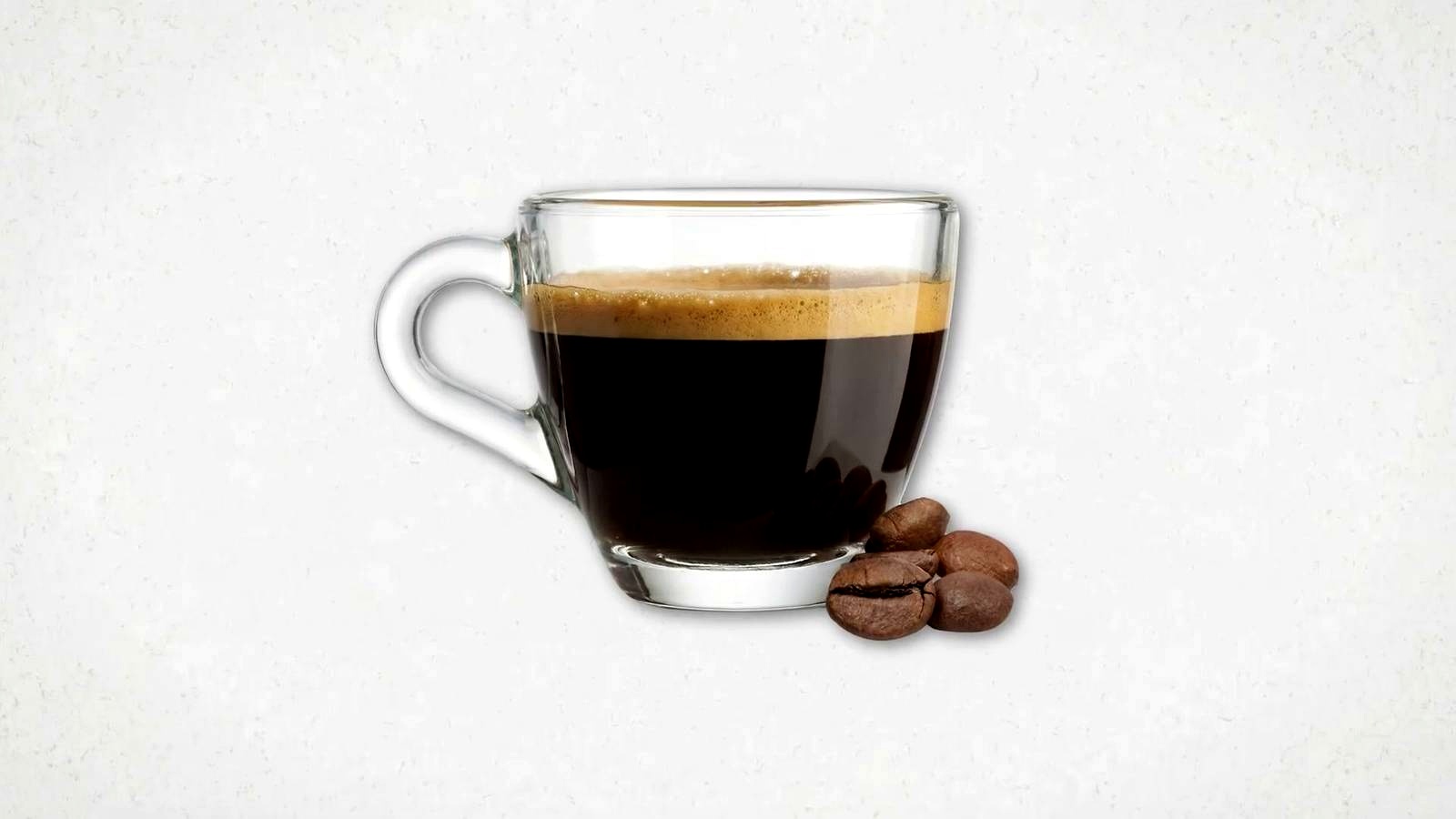
At the center of countless coffee orders sits espresso, a highly concentrated coffee made by forcing hot water through finely ground beans at high pressure. The result is small, dense, and topped with a golden foam called crema.
The word espresso roughly means “pressed out, ” and that idea still defines the drink. Its quality depends on details that can completely alter the result:
- Grind size
- Water temperature
- Pressure
- The barista’s skill
Once espresso is right, an entire coffee menu opens up from there.
The milk-based coffees people order again and again
Latte
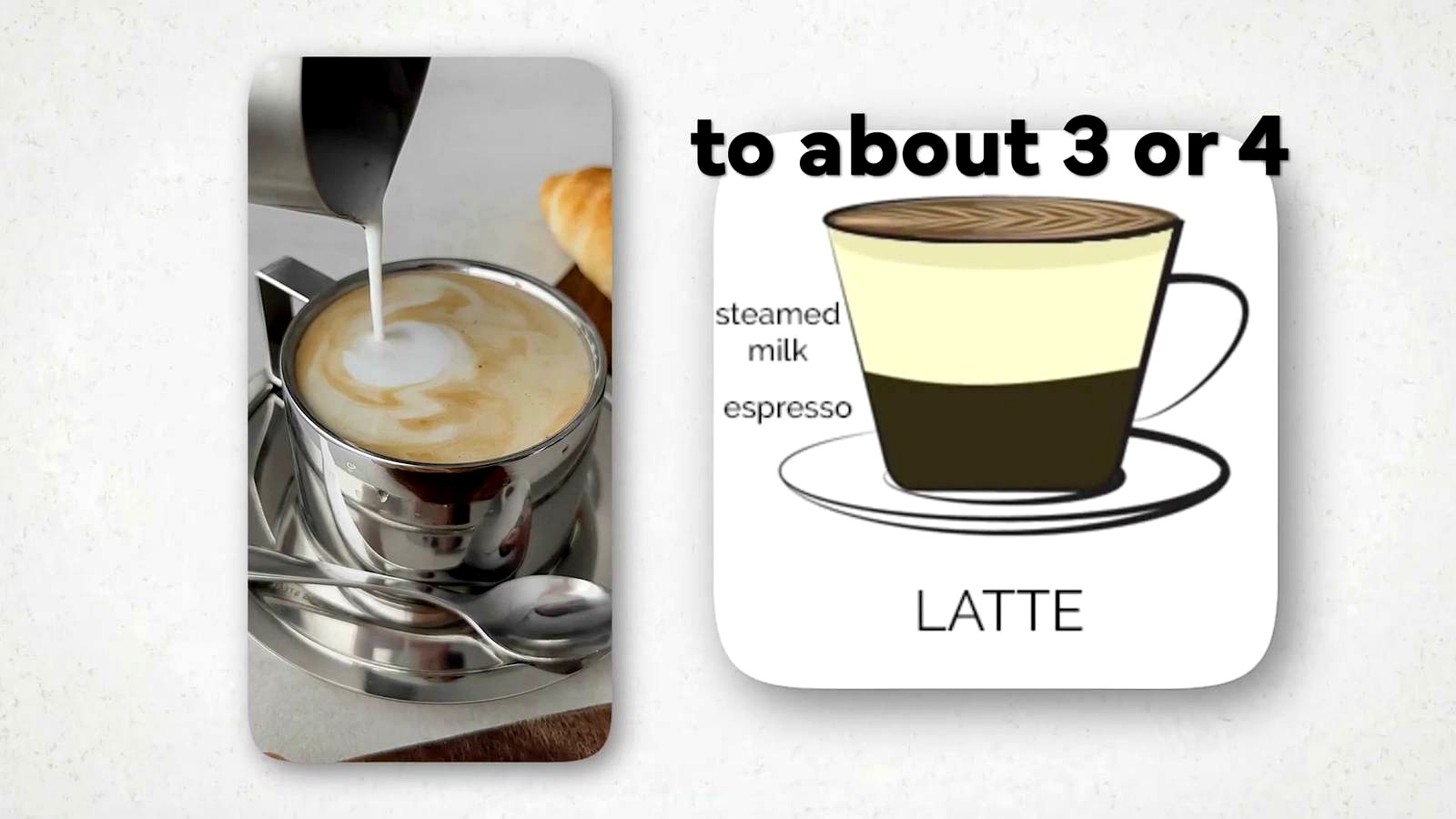
A latte is espresso mixed with a lot of steamed milk and a thin layer of foam on top. That extra milk softens bitterness and makes the drink smoother and easier to sip.
Usually, the ratio is one part espresso to about three or four parts milk, which makes it one of the mildest espresso drinks. The name comes from the Italian caffè latte, meaning coffee with milk.
Latte art grew out of the specialty coffee movement in 1980s Seattle and then spread across the world.
Cappuccino
A cappuccino uses equal parts espresso, steamed milk, and milk foam, usually in a small cup. It is more balanced and more compact than a latte, with the foam playing a much bigger role.
The name is linked to the Capuchin friars, either because the drink’s color resembled their robes or because the foam recalled their hoods. In traditional Italian practice, it is a morning drink.
Common variations include:
- Cream instead of milk
- Non-dairy milk substitutes
- Cocoa powder
- Cinnamon
Flat white
The flat white looks close to a latte, but it is smaller, stronger, and has much less foam. It uses the same amount of espresso with significantly less milk, so the coffee flavor stays clearer.
The milk is steamed to a velvety, silky texture with barely any foam on top, which explains the “flat” part of the name. It came from either Australia or New Zealand in the 1980s and later reached a huge new audience when Starbucks added it in 2015.
Gibraltar, also known as cortado
The Gibraltar sits between straight espresso and a latte. It is usually one part espresso to one part milk, with just enough steamed milk to cut acidity and round out the flavor.
Its name comes from the Libbey Gibraltar glass it is traditionally served in, a label popularized at Blue Bottle Coffee in San Francisco in the early 2000s. It is small, direct, and meant to be sipped quickly.
Mocha
A mocha is essentially a latte with chocolate added, often as syrup or cocoa powder mixed into the espresso before the milk goes in. It lands somewhere between coffee and hot chocolate, which is exactly why so many people start here.
The name traces back to the Yemeni port city of Mocha, a major coffee trading hub. Coffee from that region was known for a natural chocolaty flavor, and over time the name became tied to the coffee-and-chocolate combination.
The story stretches further into the creation of Mocha Java, described as the world’s first commercial blend, pairing Yemeni beans with coffee from Java.
When espresso gets stretched, sweetened, or turned into dessert
Americano
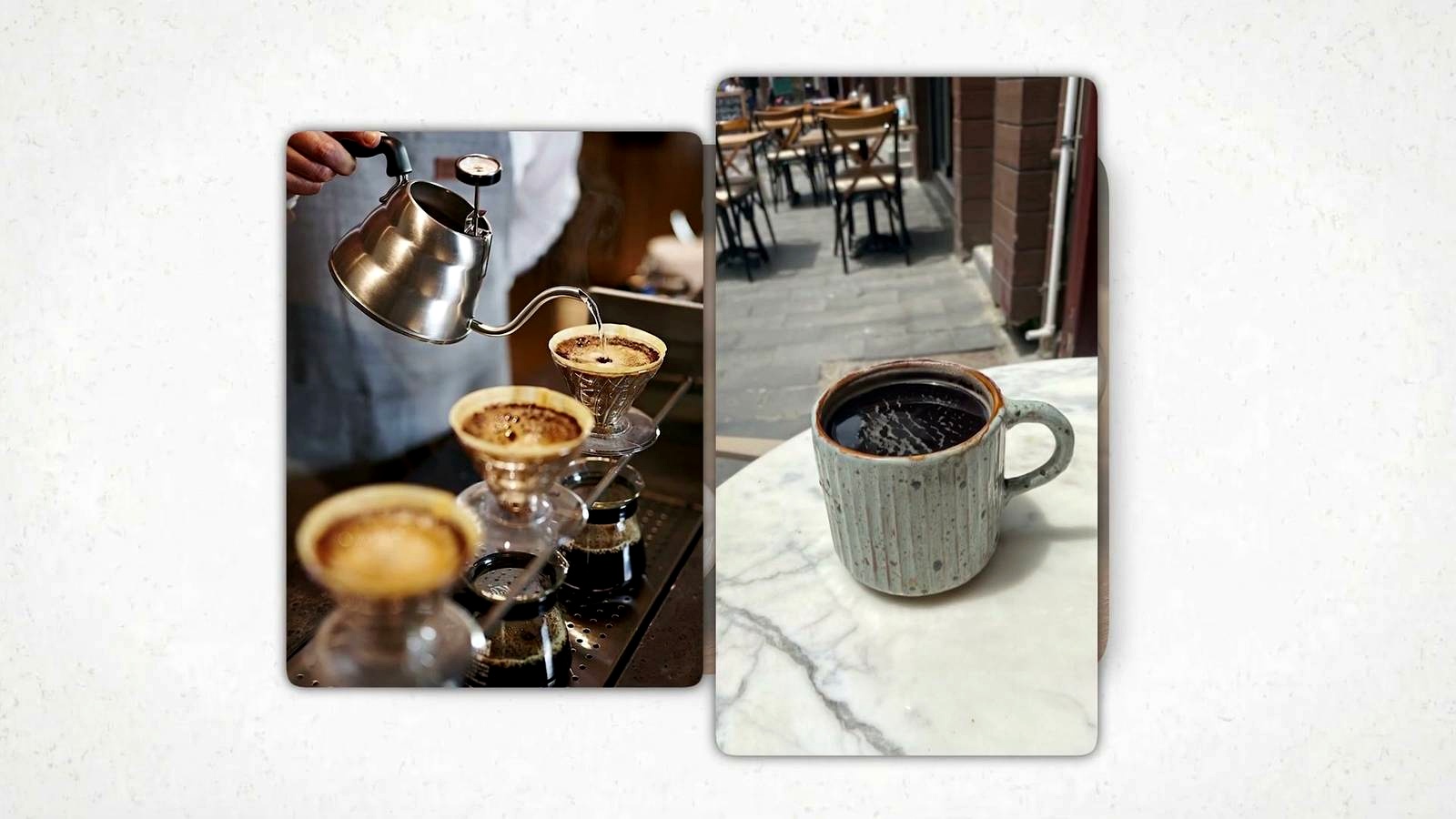
An Americano is just espresso with hot water added. It keeps the flavor of espresso but becomes lighter and less intense, with a character that resembles drip coffee while still tasting distinctly different.
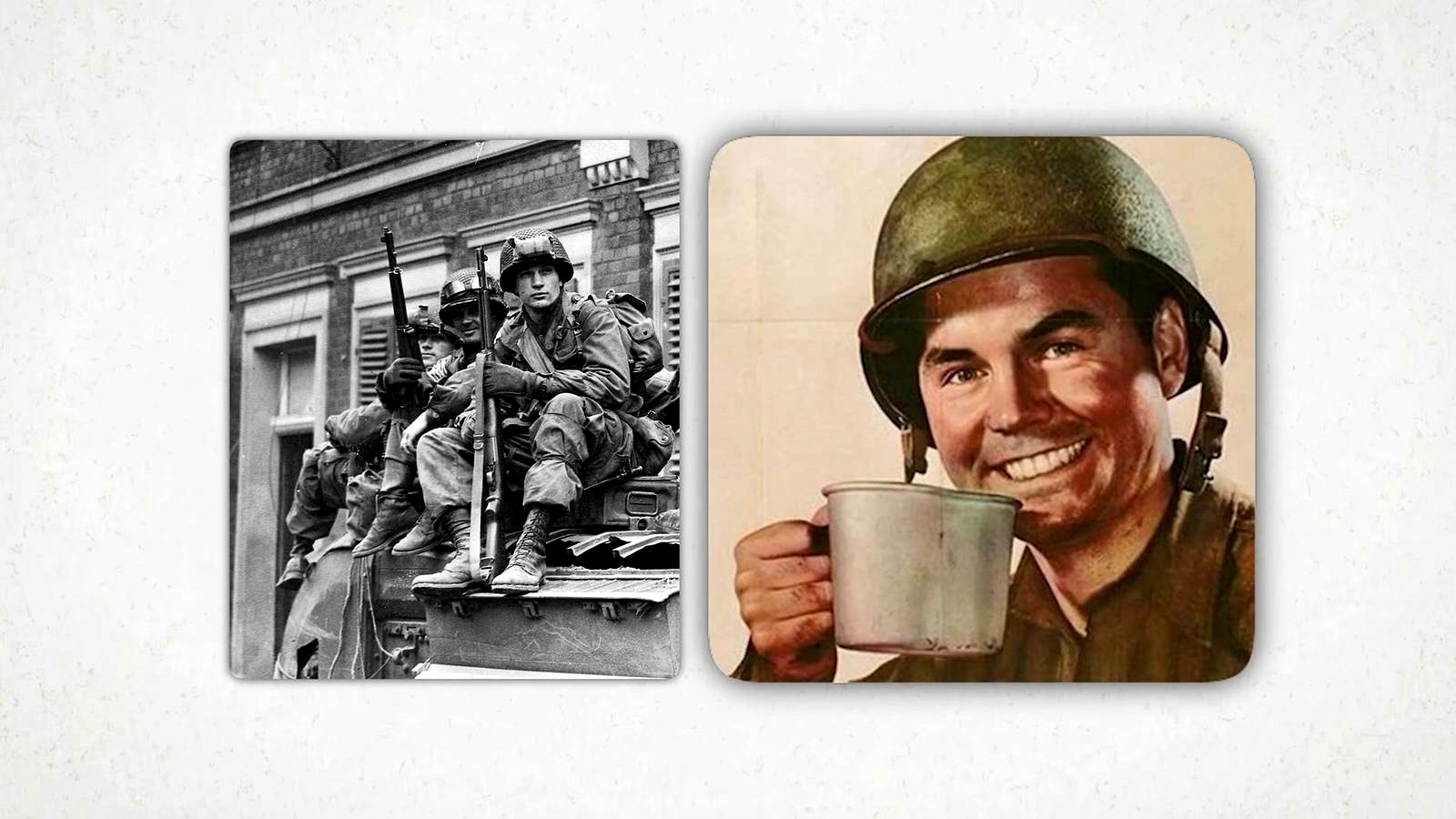
It was supposedly created by US soldiers in Italy during World War II who found espresso too strong and began diluting it with hot water.
Café Cubano
Café Cubano is small, strong, and intensely sweet. Its signature is espuma, a thick sugary foam made by whipping the first drops of espresso with sugar until they form a pale creamy paste, then letting the rest of the shot pour over it.
The sweetness is not added at the end. It is built into the drink from the first moments. The result is rich and forceful, and it is especially common in Miami’s Little Havana.
Café Bombón
Originating in Valencia, Café Bombón combines equal parts espresso and sweetened condensed milk. It is usually served in a small glass so the two layers stay visible before stirring.
The white condensed milk sits below the dark espresso, and that contrast is part of the appeal. Rich, sweet, and small, it feels closer to dessert than to an everyday coffee.
A similar version appears in Malaysia and Singapore as Kopi Susu, made the same way but using local robusta coffee, which is stronger and slightly more bitter.
Affogato
The affogato is where coffee stops pretending not to be dessert. It is a scoop of vanilla ice cream with a hot shot of espresso poured directly over it.
The name means “drowned” in Italian, describing the way the ice cream slowly melts into the coffee. It is commonly served in Italy after meals, and modern versions may swap in chocolate or hazelnut gelato or add a splash of liquor.
Cold coffee that became something bigger
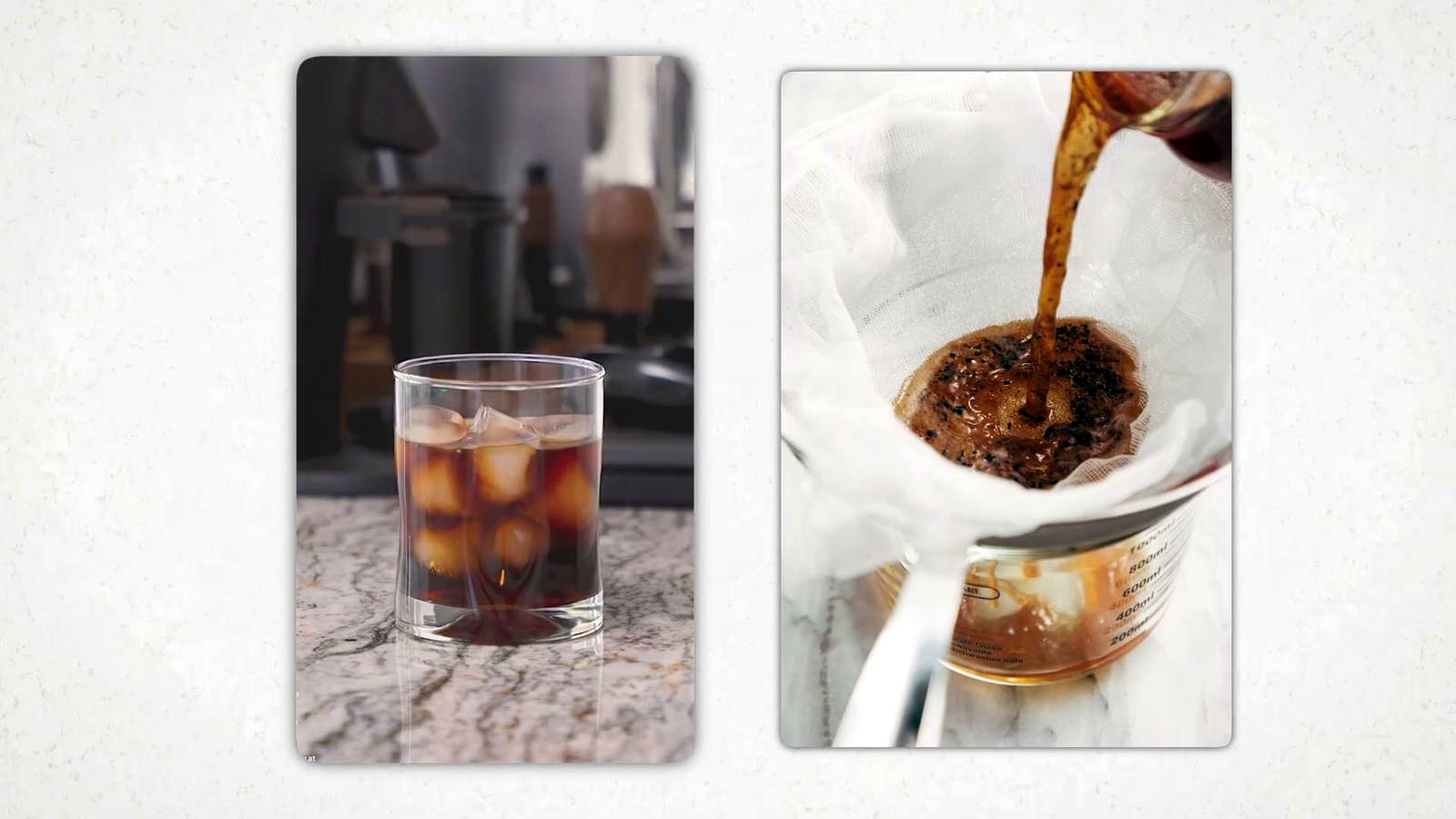
Cold brew
Cold brew is brewed slowly with cold water instead of hot water, usually over 12 to 24 hours. That lack of heat changes the entire profile by avoiding the extraction of many bitter and acidic compounds found in traditional hot coffee.
The result is naturally smoother and sweeter, even without added sugar. It is also not the same as iced coffee, which is simply hot coffee poured over ice.
Cold brew became commercially popular in the United States around 2015 and then moved quickly into the global market. It also lasts longer than hot coffee and can stay good in the fridge for up to two weeks.
Nitro cold brew
Nitro cold brew starts as regular cold brew, then gets infused with nitrogen gas and served on tap like beer. The smaller nitrogen bubbles create a thick, creamy texture and a foamy head without any dairy.
It often tastes sweeter than regular cold brew even though nothing is added, and it is usually served without ice so it does not get watered down. The drink took off quickly after Starbucks launched it in stores in 2016.
Greek frappé
The Greek frappé is cold, foamy, and built from instant coffee, water, and sometimes sugar. It is shaken or blended until it forms a thick light brown foam, then poured over ice and topped with cold water or milk.
Its origin story is almost too neat: in 1957 at a trade fair in Thessaloniki, a Nescafé representative named Dimitris Vakondios could not find hot water, so he mixed instant coffee with cold water in a shaker and discovered the foam. It quickly became the defining coffee drink of Greece.
Dalgona coffee
Dalgona coffee exploded globally in early 2020. It is made by whipping equal parts instant coffee, sugar, and hot water until thick and fluffy, then spooning that foam over cold milk.
The foam floats on top until it is stirred in, and the visual appeal helped send it across TikTok and Instagram within weeks. Its name came from a Korean sugar candy with a similar color and texture, and a mention by actor Jung Il Woo helped push it into mainstream attention.
The twist is that the drink already existed in other forms across India, Pakistan, and Libya, where it had long been made at home as beaten or whipped coffee.
Old coffee traditions that still feel alive
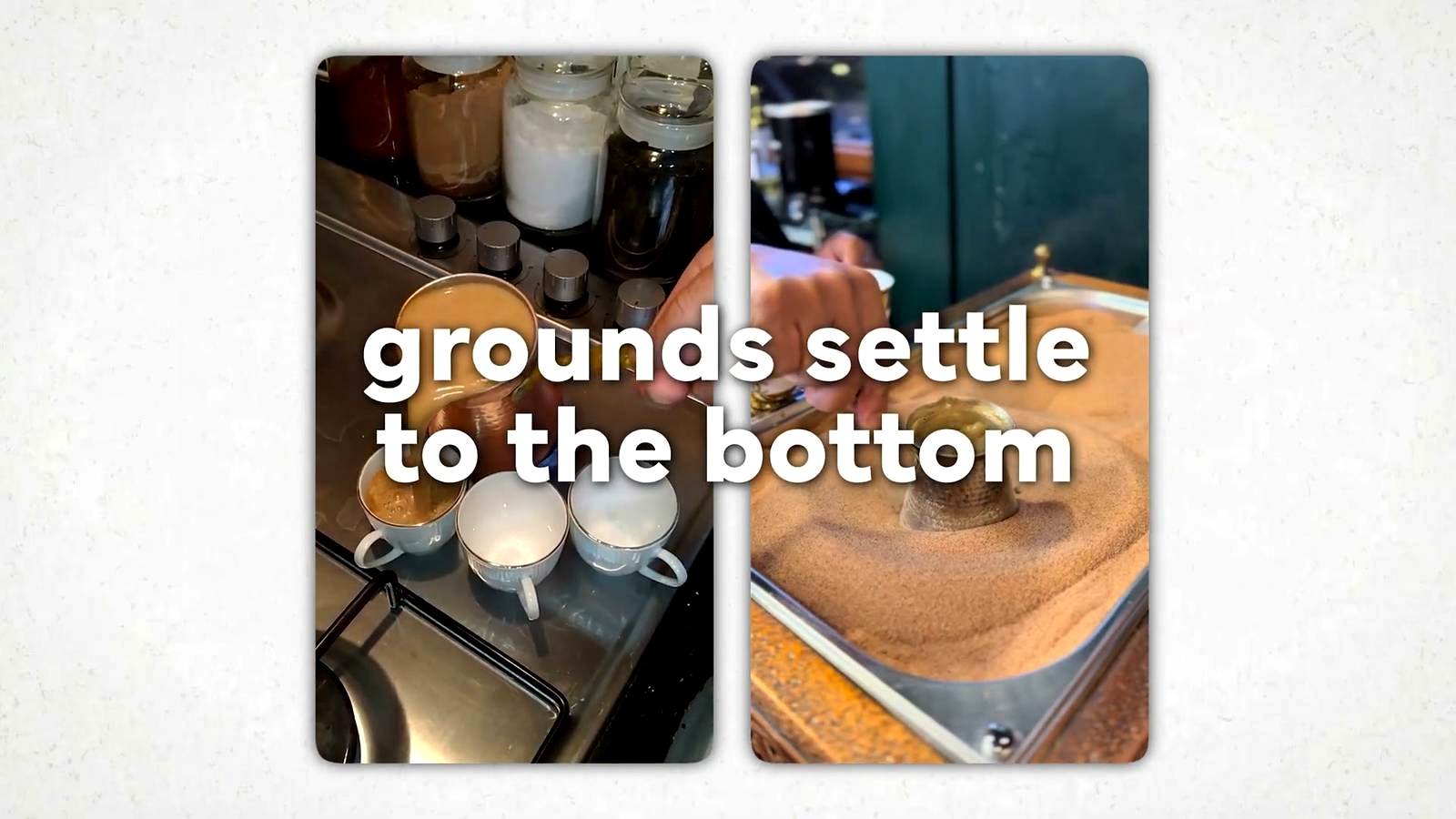
Turkish coffee
One of the oldest brewing methods still in widespread use, Turkish coffee uses extremely fine, powder-like grounds simmered directly in a small pot called a jezve with water and often sugar.
It is never filtered. The grounds settle at the bottom of the cup, and you stop drinking before reaching them. The method dates back to the Ottoman Empire in the 1500s, and the coffee houses of Istanbul were among the first in the world.
Some people also read the patterns left by the grounds as a form of fortune telling.
Ethiopian buuna
In Ethiopia, coffee is more than a drink. The coffee ceremony known as Buuna is a symbolic event that can last several hours and is meant to be shared with neighbors and guests.
The process includes:
- Roasting raw green beans over an open flame
- Grinding them by hand
- Brewing them in a clay pot called a jebena
The coffee is served in three rounds:
- Abol, the strongest, intended for pleasure
- Tona, more diluted, intended for contemplation
- Baraka, meaning blessing, believed to bring good fortune
The ceremony can take up to two hours. The word buuna simply means coffee.
Arabic coffee
Arabic coffee, known as qahwa, is usually brewed with lightly roasted Arabica beans and spices such as cardamom. It is boiled and served in small cups as part of hospitality and social gathering.
It is usually served without sugar, brewed in a dallah, and poured into a patterned cup known as a finjan. Its roots trace back to greater Yemen and the port city of Mocha. UNESCO added qahwa to its list of intangible cultural heritage in 2015.
Café Touba
Café Touba is the most consumed beverage in Senegal and holds sacred meaning in the Mouride Brotherhood, a large Islamic Sufi order founded there in the late 1800s.
It is brewed with coffee and a West African spice called selim pepper, also known as grains of selim or jar in Wolof, and sometimes cloves. The result is warm, spiced, and slightly medicinal, unlike almost any other coffee drink.
Named after the holy city of Touba, it is sold by vendors called talibé on street corners, often poured from large thermoses into small cups. For many people, drinking it is both a daily habit and a spiritual act.
Mexican café de olla
Café de olla means “coffee from the pot, ” and the pot matters. Ground coffee is simmered in a clay pot with cinnamon and piloncillo, an unrefined brown sugar with a deep molasses-like flavor.
The clay pot is said to add an earthy quality that a regular coffee maker cannot match. It is a common morning drink in Mexico and especially popular during Day of the Dead celebrations and the Christmas season.
The coffees that surprise people most
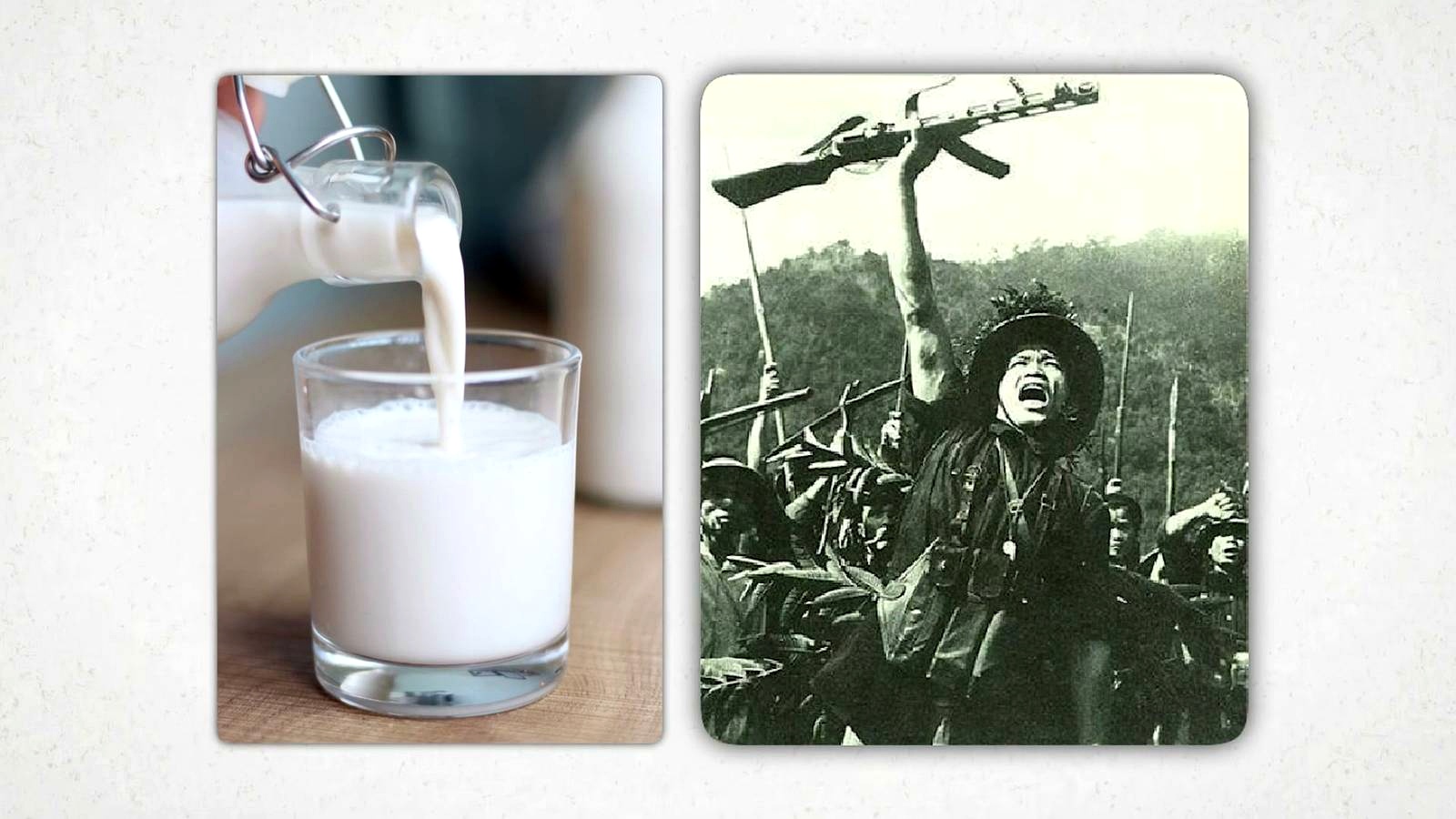
Vietnamese egg coffee
Invented in Hanoi in 1946 during a shortage of fresh milk, Vietnamese egg coffee began as a creative substitute and became something iconic. A bartender at the Sofitel Legend Metropole Hotel, Nguyen Van Giang, whipped egg yolks with sugar and condensed milk, then spooned the mixture over strong Vietnamese coffee.
The drink has a custard-like consistency and is often described as liquid tiramisu. It became so popular that Giang later opened Giang Cafe, which is still run by his family.
Scandinavian egg coffee
This is a completely different drink from the Vietnamese version. In Sweden, Norway, and Scandinavian immigrant communities in the American Midwest, egg coffee is a brewing method rather than a topping.
Raw egg, sometimes including the shell, is mixed directly into dry coffee grounds before brewing. During cooking, the egg binds to bitter compounds and oils, coagulates into a clump, and rises to the top, taking much of the bitterness with it.
What remains is a clear, smooth, mild cup that surprises people expecting something heavy.
Finnish kaffeost
Kaffeost, or coffee cheese, sounds strange at first and then suddenly makes sense. For centuries, the Sámi people of northern Finland and Sweden have put cubes of a mild, squeaky cheese into a cup of coffee.
The cheese softens slightly without melting, absorbs the coffee, and takes on its flavor. You drink the coffee first, then eat the cheese with a spoon. Its texture is similar to halloumi or fresh cheese curds, and many people find the result unexpectedly good.
Yuanyang
Yuanyang from Hong Kong mixes coffee and milk tea, usually one part coffee to two parts Hong Kong-style milk tea. The tea itself is strong and creamy, brewed with evaporated or condensed milk.
The name comes from the Mandarin duck, used as a symbol for two unlike things paired together. It emerged as a working-class drink in Hong Kong’s cha chaan tengs, the city’s fast-moving local diners, and can be served hot or iced.
Mazagran
Mazagran is often considered the original iced coffee, with roots in 1840s Algeria. French soldiers near a fort called Mazagran ran low on milk and began drinking their coffee cold and black, sometimes with cold water or sugar.
The habit traveled back to France and evolved. In Portugal today, mazagran is usually espresso over ice with lemon juice and sometimes sparkling water. It sits somewhere between coffee and lemonade and feels especially sharp and refreshing in summer.
Coffee born from shortage, chance, and reinvention
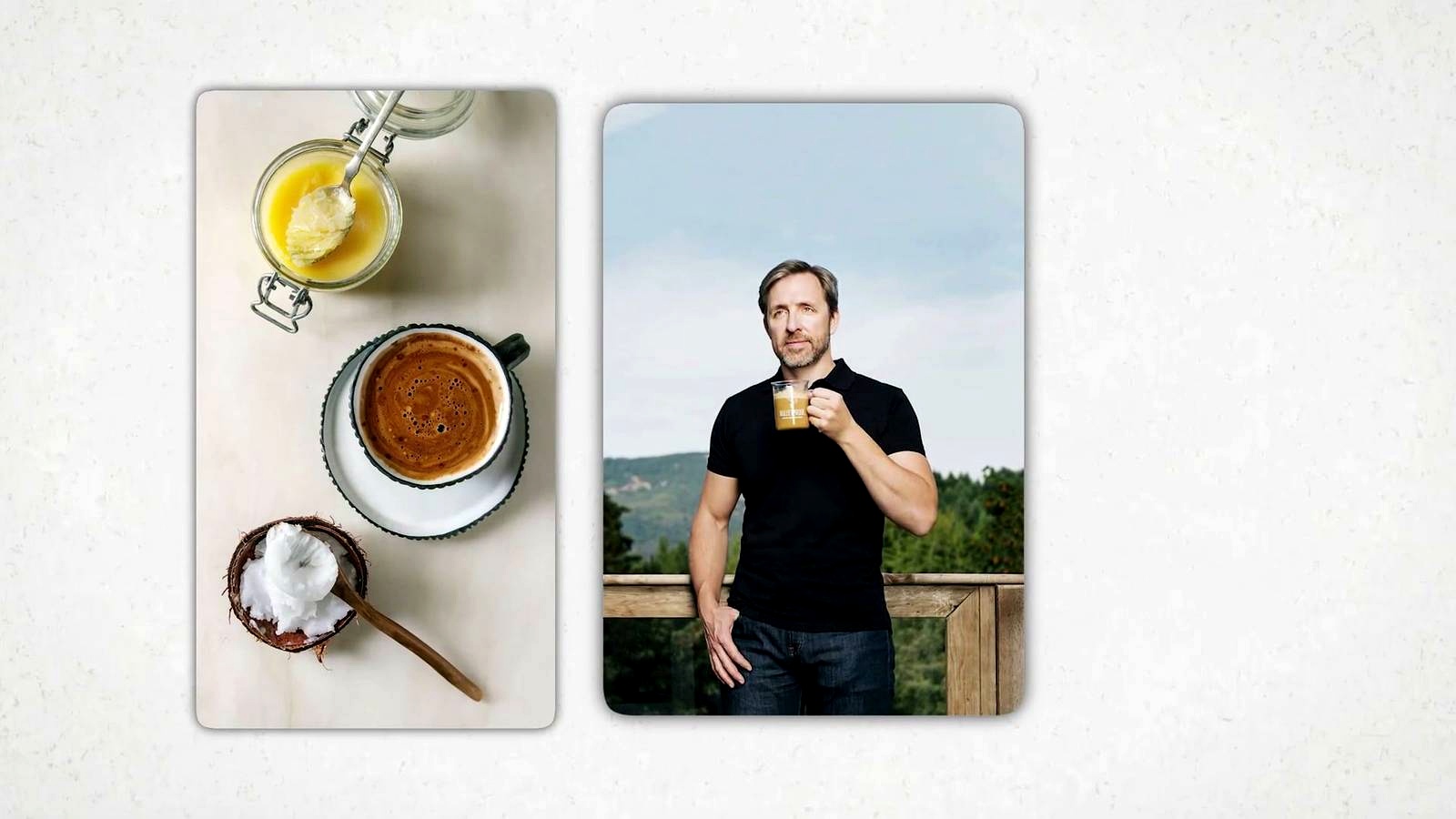
Bulletproof coffee
Bulletproof coffee is brewed coffee blended with grass-fed butter and MCT oil, a fat derived from coconut oil. It was popularized by Dave Asprey around 2011 after he tried yak butter tea in Tibet and wanted to create something similar.
It caught on quickly with people following keto and low-carb diets. Supporters say the fats provide long-lasting energy without a blood sugar spike, while critics argue that replacing a meal with butter and oil cuts out many nutrients.
Kopi luwak
Kopi luwak is one of the rarest and most expensive coffees in the world. The beans are eaten and passed through the digestive system of the Asian palm civet, and enzymes are said to reduce bitterness and produce a smoother, more complex flavor.
Afterward, the beans are collected, cleaned, roasted, and sold, sometimes for hundreds of dollars per pound. The practice began with Indonesian farmers under Dutch colonial rule who were forbidden from picking coffee for themselves and instead collected beans eaten by wild civets.
Today, the drink carries a darker reality. High demand has led to civets being caged and force-fed coffee berries, a practice widely criticized by animal welfare groups. Truly wild, ethically sourced kopi luwak still exists, but it is extremely rare and expensive.
What these coffees reveal
Some drinks were built around precision. Others came from missing ingredients, a lack of hot water, religious tradition, or pure improvisation. Some are designed to soften coffee. Some push it to the edge. A few turn it into dessert, ceremony, or even a statement about identity and place.
Taken together, they show something simple but easy to miss: coffee is not one drink. It is an entire language.
FAQ
What is the difference between a latte and a flat white?
A latte uses more milk and a small layer of foam, making it milder. A flat white uses the same amount of espresso but less milk and barely any foam, so the coffee flavor is stronger and clearer.
Is cold brew the same as iced coffee?
No. Cold brew is extracted slowly with cold water over 12 to 24 hours. Iced coffee is hot coffee poured over ice.
What makes a cappuccino different from a latte?
A cappuccino is equal parts espresso, steamed milk, and milk foam. A latte has much more milk and only a thin layer of foam.
What is affogato?
Affogato is a classic Italian dessert made by pouring a hot shot of espresso over a scoop of vanilla ice cream.
Why is Café Cubano so sweet?
Its sweetness comes from espuma, made by whipping the first drops of espresso with sugar before the rest of the shot is added.
What is special about Turkish coffee?
It uses extremely fine grounds simmered directly in a jezve and is never filtered, so the grounds settle at the bottom of the cup.
What is Vietnamese egg coffee?
It is strong Vietnamese coffee topped with whipped egg yolks, sugar, and condensed milk, creating a custard-like texture.
Why is kopi luwak controversial?
Because high demand has led to civets being kept in small cages and force-fed coffee berries, which is widely criticized by animal welfare groups.
What is Yuanyang?
Yuanyang is a Hong Kong drink made by mixing coffee with Hong Kong-style milk tea, usually in a ratio of one part coffee to two parts milk tea.
What is café de olla made with?
It is brewed in a clay pot with ground coffee, cinnamon, and piloncillo, which gives it a warming and slightly sweet flavor.
Original Video

Hello, I’m William Lucas. I’ve always been interested in coffee beyond just drinking it — the culture around it, the design of café spaces, the little details that make one place feel polished and another feel creative and personal. I enjoy finding cafés with character, good coffee, and an atmosphere that makes you want to slow down for a bit. On FarziCafe, I write about specialty coffee, café trends, and places in the UAE that feel genuinely worth visiting. If that sounds like your kind of thing, I’d be happy to have you along for the read.