
April Can Change Everything for Coffee Farmers
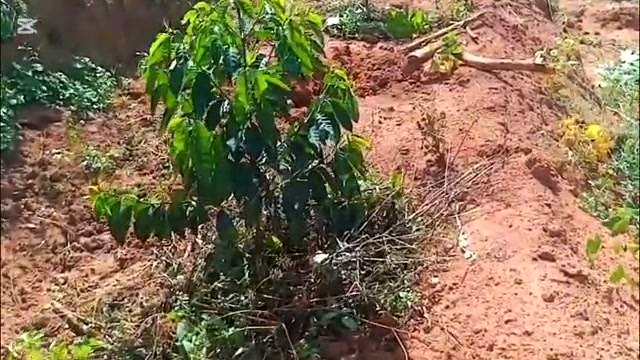
Some months pass quietly. April does not. For coffee farmers, this is the point where small decisions start pushing a crop toward either struggle or strength.
The pressure is real because the rains, the weeds, the pests, and the diseases all move fast. If April is handled well, the season ahead can look very different.
Why April matters so much on a coffee farm
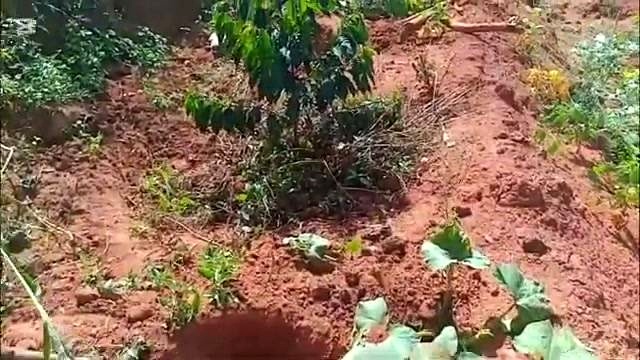
April is described as a defining moment for coffee crop success. It is the month that lays the foundation for what comes later, and what a farmer does now determines what gets harvested later.
This is why the April coffee management program focuses on the practices that separate a struggling crop from a thriving one:
- Disease control
- Foliar feeding with NPK
- Insect control
- Weed control
- Timely action during the wet season
The message is simple: do not let the rains benefit weeds and pests more than the coffee itself.
Coffee berry disease: the threat farmers cannot ignore
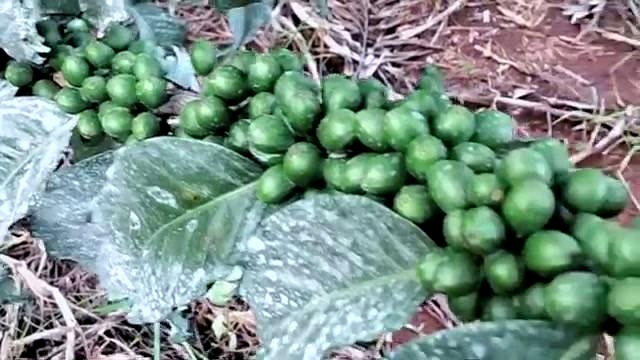
The first major April task is controlling coffee berry disease. This disease is also referred to as coffee berry anthracnose or brown blight of coffee, and it is presented as a major fungal disease affecting coffee.
It is said to be most severe in high altitude or highly humid areas, but it has spread to many parts of Kenya. The warning is serious: it can cause up to 80% yield loss by attacking young green berries, though it can also infect flower stalks and occasionally leaves or ripened fruits.
How to spot coffee berry disease
Farmers are urged to inspect their berries closely. The key symptoms mentioned include:
- Small water-soaked lesions on green berries
- Lesions that quickly become dark and expand
- Premature berry drop
- Mummified berries
- Black, hard, brittle berries with brown pulp
These signs matter because infection is favored by high humidity and rain splashes, which disperse spores from infected berries. In April, that creates a dangerous opening for the disease to spread quickly.
How farmers are told to control it
The recommended approach includes chemical control, especially copper-based sprays used as protective sprays. The advice is to begin before flowering and continue until the berries develop, with the goal of maintaining a constant protective layer on berry surfaces.
Fungicides are described as protectants or preventive treatments, and rotation is encouraged to help manage resistance.
Another option mentioned is biological control using microbes, though it is presented more as an area farmers should learn more about.
Why foliar feeding with NPK becomes critical in April

April marks the onset of the long rains. That shift triggers active vegetative growth, flowering, fruit set, and a sharp rise in nutrient demand by the coffee plant.
At this stage, the roots alone may not supply nutrients fast enough. That is why foliar feeding is described as highly effective in April: it delivers nutrients through the leaves and works almost immediately.
Why foliar feeding stands out during the rains
Heavy rains can wash nutrients away from the soil, and waterlogged roots may reduce uptake. Foliar feeding bypasses those limits.
According to the material, foliar spraying helps because:
- Nutrients are absorbed directly through the leaves
- It works quickly
- It is not affected by leaching in the same way as soil-applied nutrients
- It helps maintain consistent nutrient supply during the rainy period
The role of nitrogen, phosphorus, and potassium
The article highlights each part of NPK in April management.
Nitrogen for vegetative growth
Nitrogen supports the development of new leaves and shoots. In April, coffee trees produce fresh growth after rains, and stronger leaves help improve photosynthesis. More leaves also help the plant produce food.
Phosphorus for flowering and fruit set
Phosphorus is linked to root development, flower initiation, and energy transfer in the plant. This matters in April because coffee begins flowering after rain. Good phosphorus supply is associated with more flowers and more fruits, while poor phosphorus can lead to flower drop and lower yields.
Potassium for berry development and quality
Potassium regulates water movement in the plant, enhances bean filling, and improves disease resistance. As berries begin forming in April, potassium supports uniform berry development, making berries bigger and heavier. That directly affects quality and market prices.
Weed control in April is not just about appearance
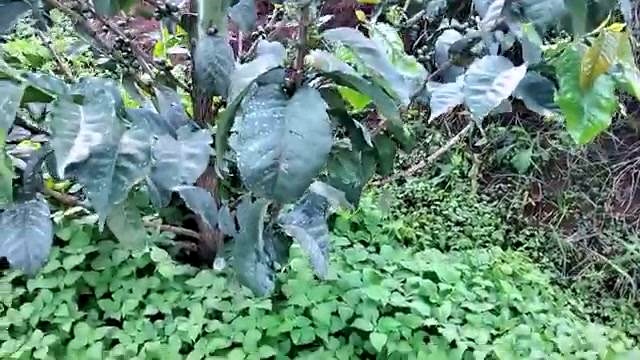
April brings heavy rains, rapid weed growth, and increased nutrient availability. The problem is that weeds grow faster than coffee.
That creates a frustrating situation for farmers: if fertilizer is applied without weed control, the weeds may benefit more than the crop. The warning is blunt, in that case, a farmer is feeding weeds instead of coffee.
What weeds do to a coffee farm
The material points to several ways weeds hurt coffee production:
- They compete for nitrogen, phosphorus, and potassium
- They compete for water
- They block sunlight, especially for small coffee plants
- They harbor pests and diseases
Because of that, the objective of weed control in April is to reduce competition, improve fertilizer efficiency, enhance air circulation, reduce hiding spots for pests and diseases, and maintain a clean, manageable farm.
The most recommended methods
Manual weed control is presented as the most recommended option, especially for small farms. Farmers can hand weed as they walk around the farm, slash weeds before they flower or seed, and maintain a clean basin around each coffee tree.
The advantages listed are clear:
- It is cheap
- It is environmentally friendly
- It adds organic manure
The suggested timing is at the start of the rains, then again after 3 to 4 weeks.
Mulching as a long-term strategy
Mulching is described as highly recommended. After slashing, farmers can spread dry grass around the coffee. This helps:
- Suppress new weed growth
- Conserve soil moisture
- Improve soil structure
It is framed as a minimum tillage approach and a long-term weed control strategy.
When chemical weed control is considered
Chemical weed control is described as not really recommended, except when the farm is very large and labor is limited.
If herbicides are used, the guidance is strict:
- Spray between rows, not on coffee plants
- Use a hooded sprayer if possible
- Avoid windy conditions
- Do not spray during the rains
The reason is obvious: misuse can damage or even kill coffee plants.
Special April considerations farmers should not miss
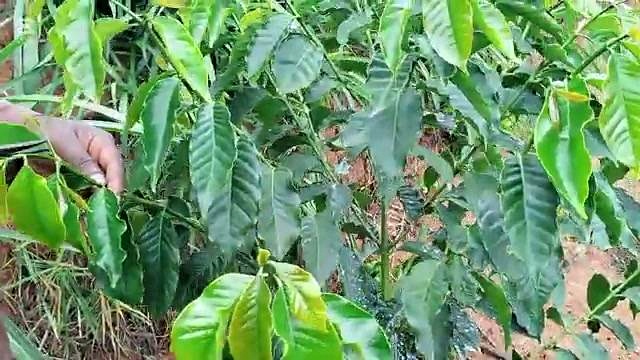
Timing is everything
April management depends heavily on timing. Farmers are advised to weed before applying foliar fertilizers and to avoid spraying herbicides when rain is expected within six hours.
Do not leave soil bare
Another key point is preventing soil erosion. Bare soil should be avoided. Mulching and maintaining ground cover are emphasized as important ways to protect the soil.
Focus on the coffee basin
The area around the stem should be kept completely weed-free because that is where nutrient uptake is highest. This small detail carries a big implication: if the basin is neglected, the crop loses where it should be gaining most.
Common mistakes that weaken the farm
The material highlights several mistakes farmers should avoid:
- Allowing weeds to overgrow before control
- Spraying herbicide carelessly
- Leaving soil bare and exposed to erosion
- Ignoring weeds after fertilization
Insect control becomes urgent in April
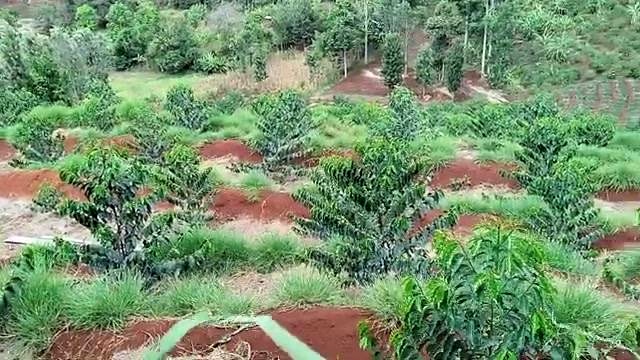
April’s mix of moisture and warmth creates the perfect moment for rapid pest multiplication. At the same time, new leaves and berries are soft and vulnerable, making them attractive to pests.
The pests mentioned include coffee berry borer, leaf miners, aphids, and thrips. If they are not controlled early, the damage becomes severe and costly.
What insect control is meant to protect
The objective is to:
- Protect young leaves and shoots
- Prevent damage to flowers and berries
- Reduce the spread of pest-related diseases
- Maintain plant vigor and yield
Start with scouting
Before spraying anything, farmers are advised to inspect the farm at least once per week. Scouting helps identify signs early and makes action more effective.
The guidance is to spray insecticide as early as possible when needed. April is described as a month that demands vigilance, because this is when the foundation of the season is being built.
The bigger message behind the April program
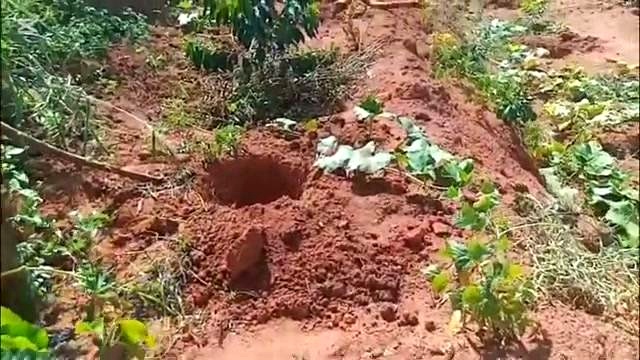
This month is not about one single action. It is about building a system around the coffee while the season is still taking shape.
Feed the crop through foliar nutrition. Protect it from pests. Control weeds. Manage disease early. Stay consistent. Visit the farm, observe closely, and act on time.
That is the pressure of April, but it is also the opportunity.
FAQ
Why is April considered a defining month for coffee farmers?
April is described as the foundation month of coffee production. What a farmer does during this period determines how the crop performs later in the season and what is eventually harvested.
What is the main disease farmers should watch in April?
Coffee berry disease is presented as the first major disease to control in April, especially during the wet season when high humidity and rain splashes favor infection and spread.
What are the symptoms of coffee berry disease?
The symptoms mentioned include small water-soaked lesions on green berries, dark expanding spots, premature berry drop, and berries that become black, hard, brittle, and mummified.
Why is foliar feeding with NPK important in April?
April brings long rains, active growth, flowering, fruit set, and higher nutrient demand. Foliar feeding is important because it is absorbed through the leaves, works quickly, and helps bypass nutrient loss from leaching and reduced root uptake in wet soil.
How do weeds affect coffee during April?
Weeds compete with coffee for nutrients, water, and sunlight. They also harbor pests and diseases. In April, they grow fast, so failing to control them can reduce fertilizer efficiency and weaken the crop.
What weed control method is most recommended?
Manual weed control is the most recommended, especially for small farms. Mulching is also highly recommended as a long-term strategy to suppress weeds, conserve moisture, and improve soil structure.
Why is insect control critical in April?
Moisture and warmth in April encourage rapid pest multiplication, while new leaves and berries are soft and vulnerable. Early control helps protect flowers, berries, leaves, and overall yield.
How often should farmers inspect the farm for pests in April?
The advice given is to scout the farm at least once per week before deciding on spraying or other action.
Reference Video

Hi, I’m Peter Stone. I’m always noticing the simple things that make a place enjoyable — a relaxed atmosphere, a menu that actually makes you want to order, a corner table you’d happily sit at for an hour, or a café that just gets the vibe right. I like exploring casual cafés and food spots around Dubai and the UAE and writing about them in a way that feels honest and easy to read. Nothing too formal, just real impressions from places that stand out for the right reasons. If you enjoy finding new spots without the usual hype, you’ll probably feel at home here.