
Arabica vs Robusta: The Coffee Myth That Changes Everything
That familiar phrase on the front of a coffee bag has shaped how people shop for years. It feels reassuring, almost unquestionable. But once you look at how these beans actually behave in the cup, the story gets a lot less simple.
The real surprise is this: the “better” bean may depend less on status and more on what happens in your kitchen every morning. And that shift changes the entire Arabica vs Robusta debate.
Why “100% Arabica” Took Over
Walk through almost any supermarket coffee aisle and one message keeps repeating itself: 100% Arabica. Decades of marketing turned that label into a shortcut for quality.
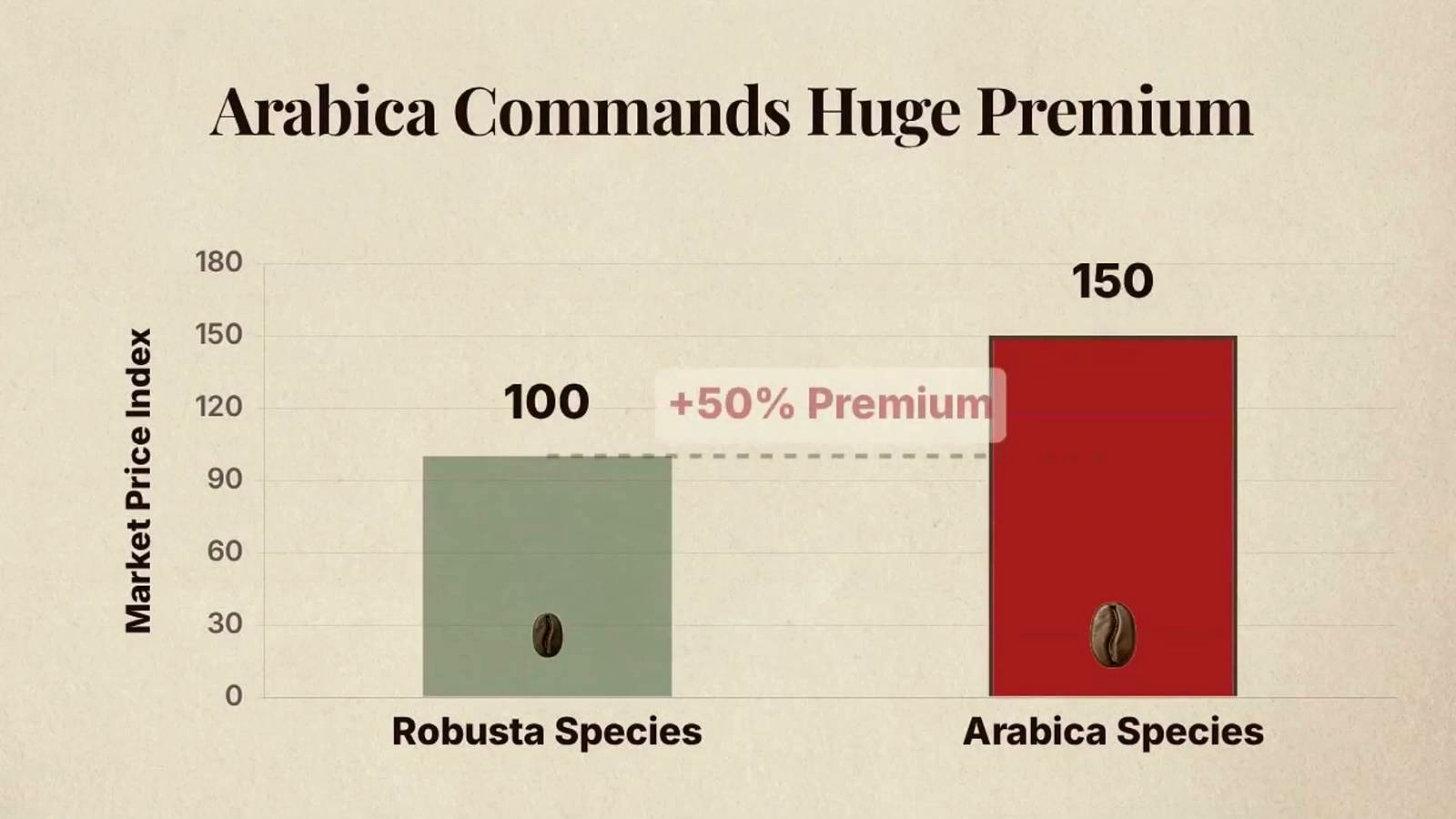
At the same time, Robusta was pushed into a much less flattering role. It became known as the cheap, harsh filler bean used to cut costs. That reputation stuck so strongly that many consumers now pay a 30 to 50% premium for Arabica, assuming it guarantees a better tasting cup in every situation.
But that assumption starts to crack when brewing method enters the picture.
Arabica and Robusta Aren’t Built for the Same Job
The two major coffee species dominate global production, but they do not play the same role.
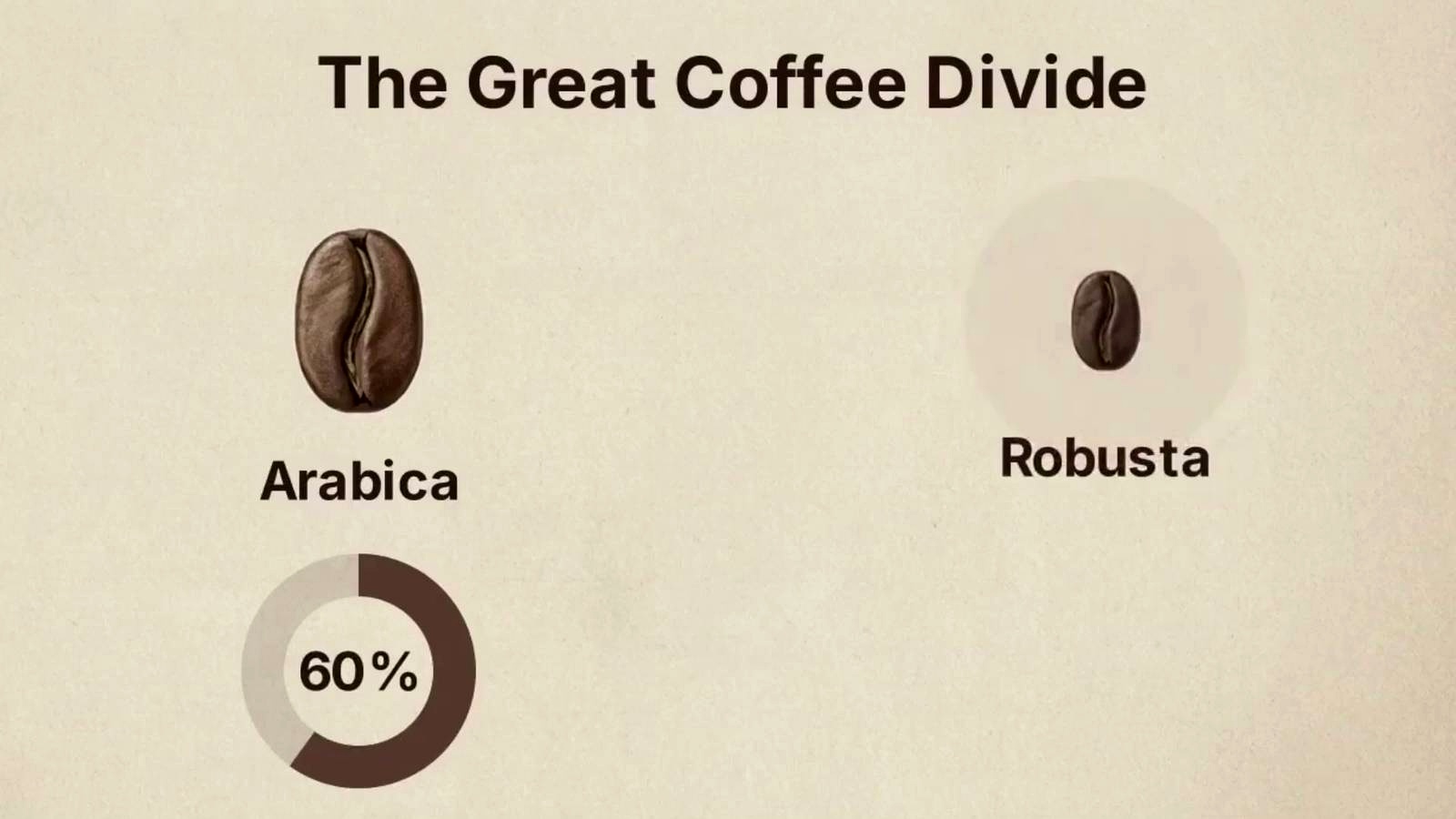
- Arabica makes up about 60% of the market and is characterized by an elongated shape.
- Robusta accounts for the remaining 40% and is smaller and rounder.
Neither bean is inherently superior. They were chemically shaped for different environments, and that means they serve different functional purposes in the cup.
Arabica: Delicate, complex, demanding
Arabica is a highly sensitive plant. It thrives in strict subtropical conditions and usually grows at high altitudes, typically between 2,000 and 8,000 feet above sea level.
Those cooler mountain temperatures put the plant under stress. That stress slows the cherry’s maturation, forcing the fruit to develop over a longer period. The payoff is in the chemistry: Arabica accumulates twice the sugar and 60% more lipids than Robusta.
During roasting, those sugars caramelize and trap aromatics. That is what creates Arabica’s high flavor complexity and its sweeter notes, including:
- fruit
- floral tones
- chocolate
That delicate chemistry comes with serious tradeoffs. Arabica is fragile, vulnerable to pests and diseases like coffee leaf rust, and requires intensive manual labor on steep mountain slopes.
Robusta: Tough, efficient, powerful
Robusta is built for survival. It grows at much lower elevations, from sea level up to 2,000 feet, and handles hot, humid climates with ease.
Its defense system is chemical. Robusta produces between 1.7 and 4% caffeine by weight, nearly double the amount found in Arabica. In the wild, that caffeine acts as a natural pesticide. The concentration in the leaves and cherries is toxic to bugs, which reduces crop loss and makes the plant highly efficient to farm.
Robusta also contains significantly more chlorogenic acid, an antioxidant that helps protect the plant against disease. That survival advantage, however, changes the taste in a major way. It raises the baseline bitterness of roasted coffee.
Because more of Robusta’s energy goes into caffeine and acids instead of sugars, a black cup tends to taste:
- harsh
- woody
- intensely bitter
Which Coffee Bean Tastes Better?
This is where the usual argument falls apart. The answer depends on how you brew.
Arabica’s rich chemical profile makes it the clear choice for black filter coffee. Its sweetness and aromatic complexity are exactly what many people want in a clean cup.
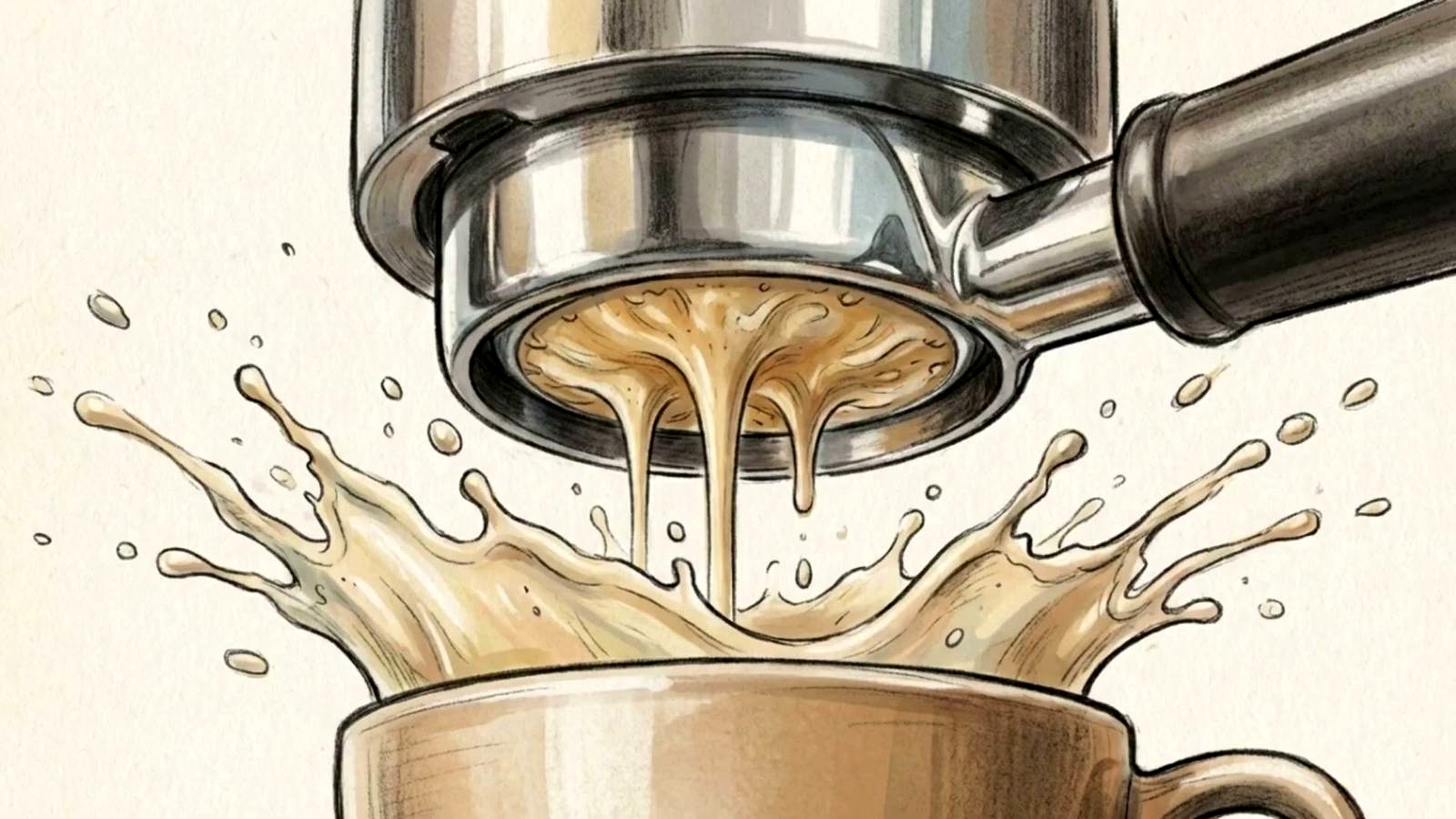
But under the intense physics of high-pressure espresso, Arabica shows a weakness. Its physical structure is less dense, and it is lower in protein. When pushed through an espresso machine, it struggles to trap carbon dioxide gas.
The result can be disappointing: a thin, watery shot with little stable crema. If that shot is then poured into milk for a latte, the coffee flavor can nearly disappear.
So if the question is “which bean tastes better, ” the more honest answer is this:
- For black filter or pourover coffee: Arabica usually wins on flavor clarity and delicate sweetness.
- For espresso in milk drinks: Robusta becomes far more useful than its reputation suggests.
Why Robusta Matters in Espresso
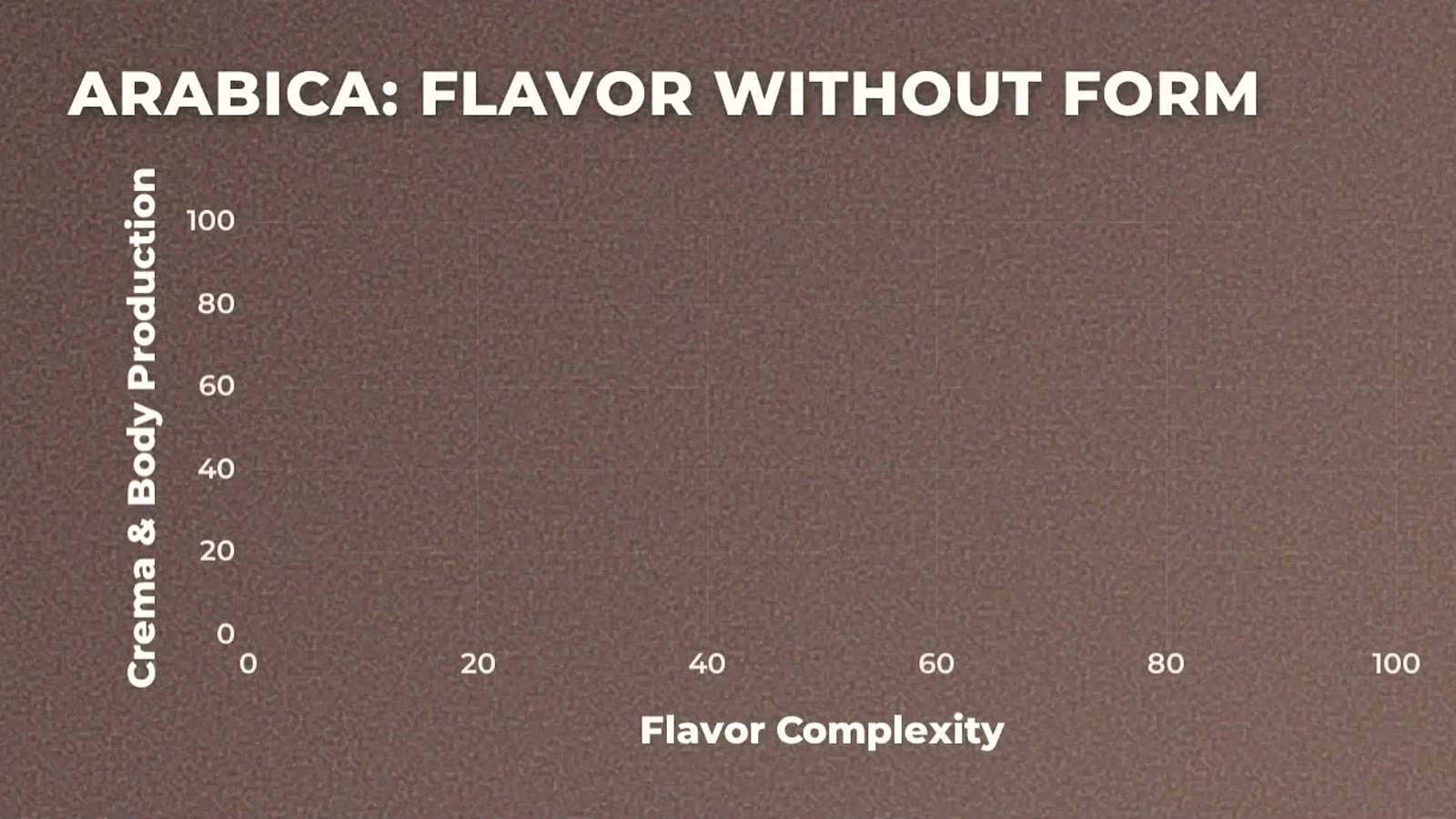
Espresso extraction is not gentle. Water is forced through packed grounds at 9 bars of pressure, and that demands beans with the right physical traits.
Pure Arabica scores high for flavor complexity, but low for crema and body. That is why traditional Italian roasters developed a different formula: they blend a delicate Arabica base with 10 to 30% Robusta.
This changes the final result in an important way. Robusta acts as a crema catalyst.
Its dense cellular structure and high protein content act as surfactants, trapping the carbon dioxide released during extraction and creating a thick, stable emulsion of oils and gas. In practical terms, that means:
- heavier body
- thicker crema
- more texture
- more structural strength in milk-heavy drinks
Trading a small amount of Arabica’s fruity nuance for Robusta’s heavy body gives espresso real weight. It helps the coffee still taste like coffee inside a large latte or cappuccino.
The Rise of Fine Robusta
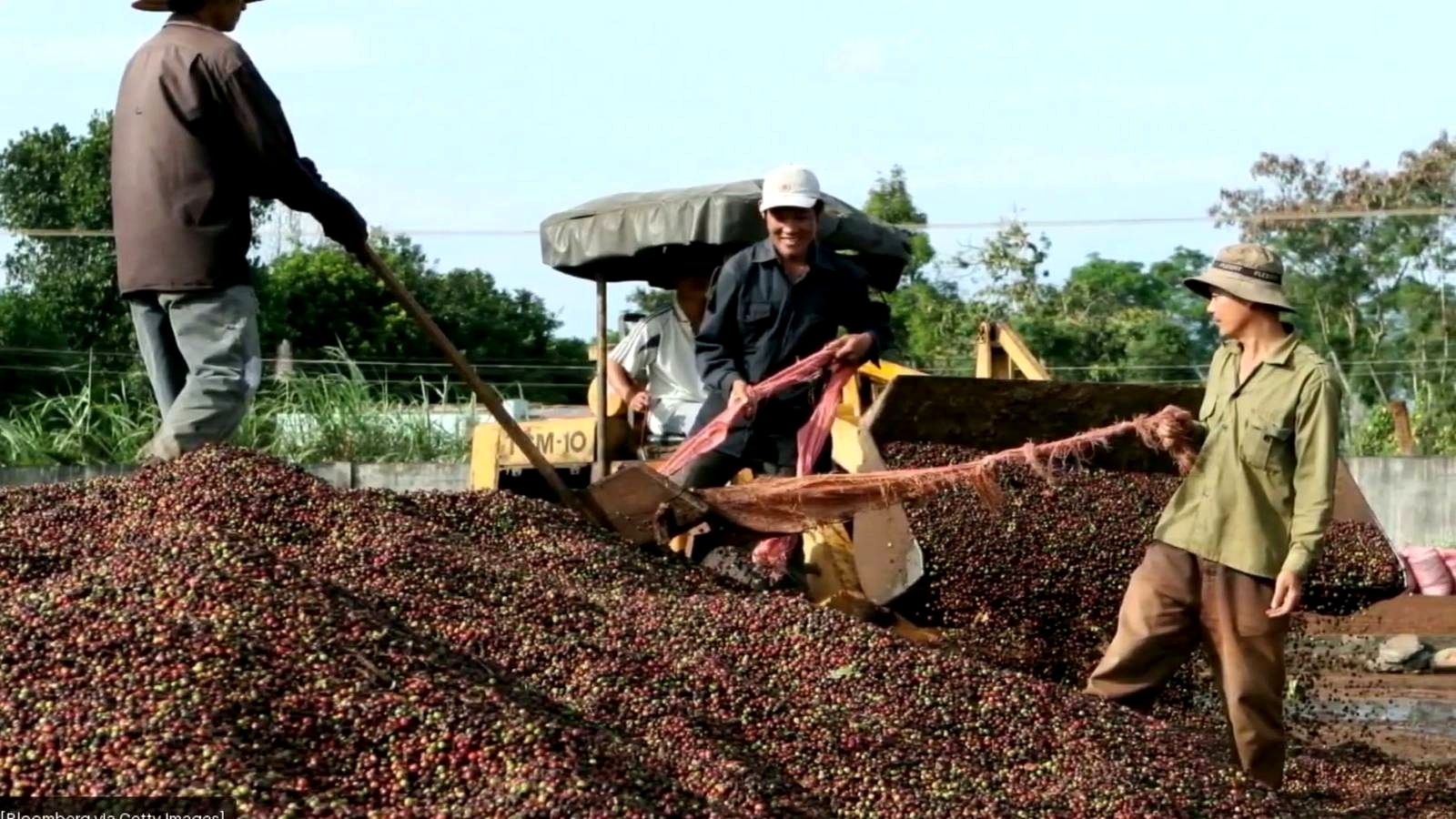
Something else is changing too. The specialty coffee world has started to challenge the old assumption that Robusta belongs only in industrial blends.
A new category is emerging: fine robusta.
Fine robusta is produced when farmers apply the same rigorous standards used for specialty Arabica. The cherries are:
- selectively handpicked at peak ripeness
- meticulously sorted to remove defects
- carefully processed
That level of care strips away the harsh, rubbery flavors linked to commodity-grade crops. What comes through instead is a deeper and smoother cup, with refined notes such as:
- dark cocoa
- warm spice
- sugarcane molasses
There is another twist here. Because achieving this quality requires intense and precise manual labor, fine robusta is no longer the cheap option. These beans can command prices equal to, and sometimes higher than, premium Arabica lots.
That alone says something important: when growers stop treating Robusta as a cost-cutting tool and start treating it with respect, it reveals itself as a complex premium ingredient.
How to Choose the Right Coffee Beans for Your Brewing Method
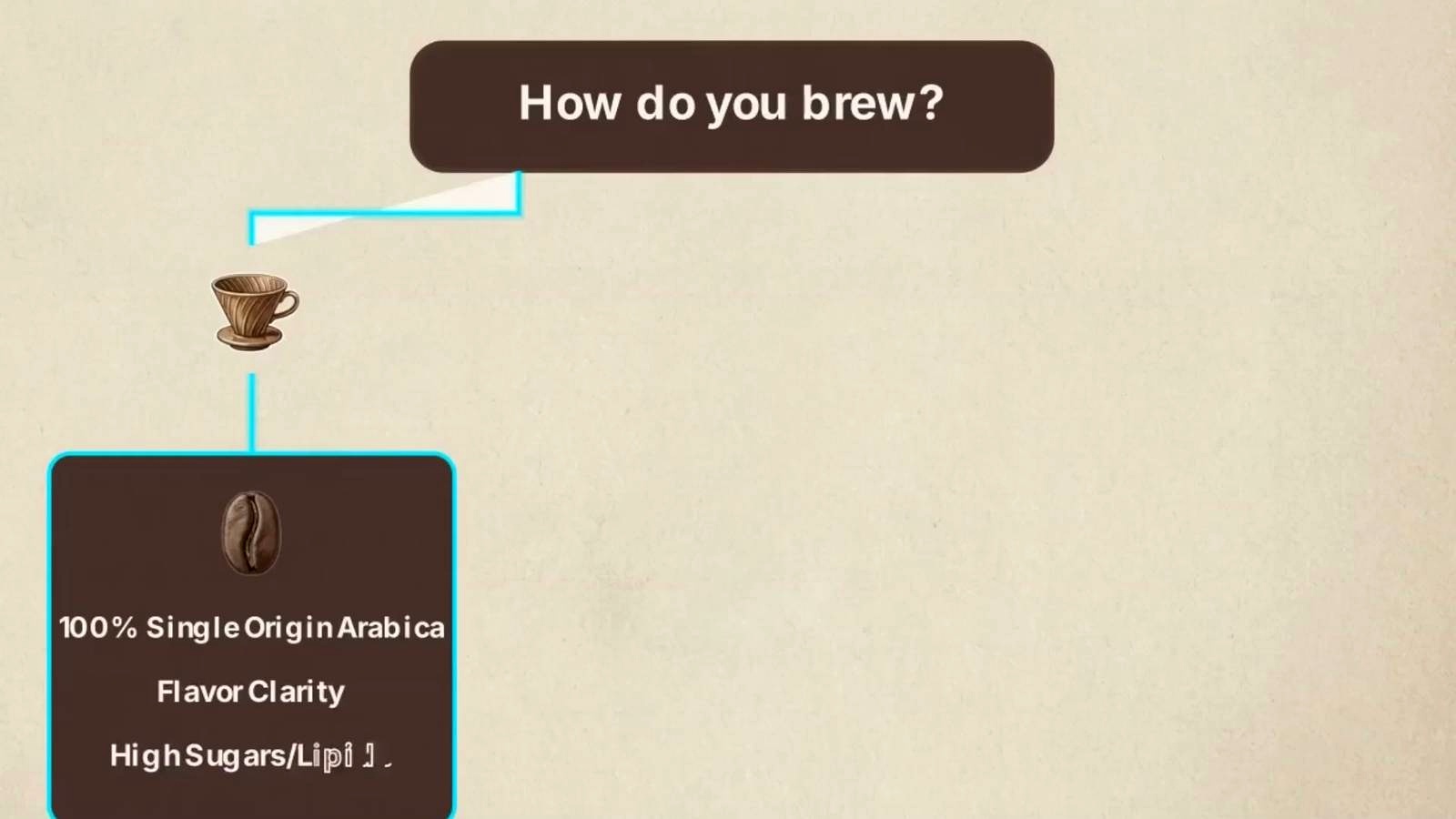
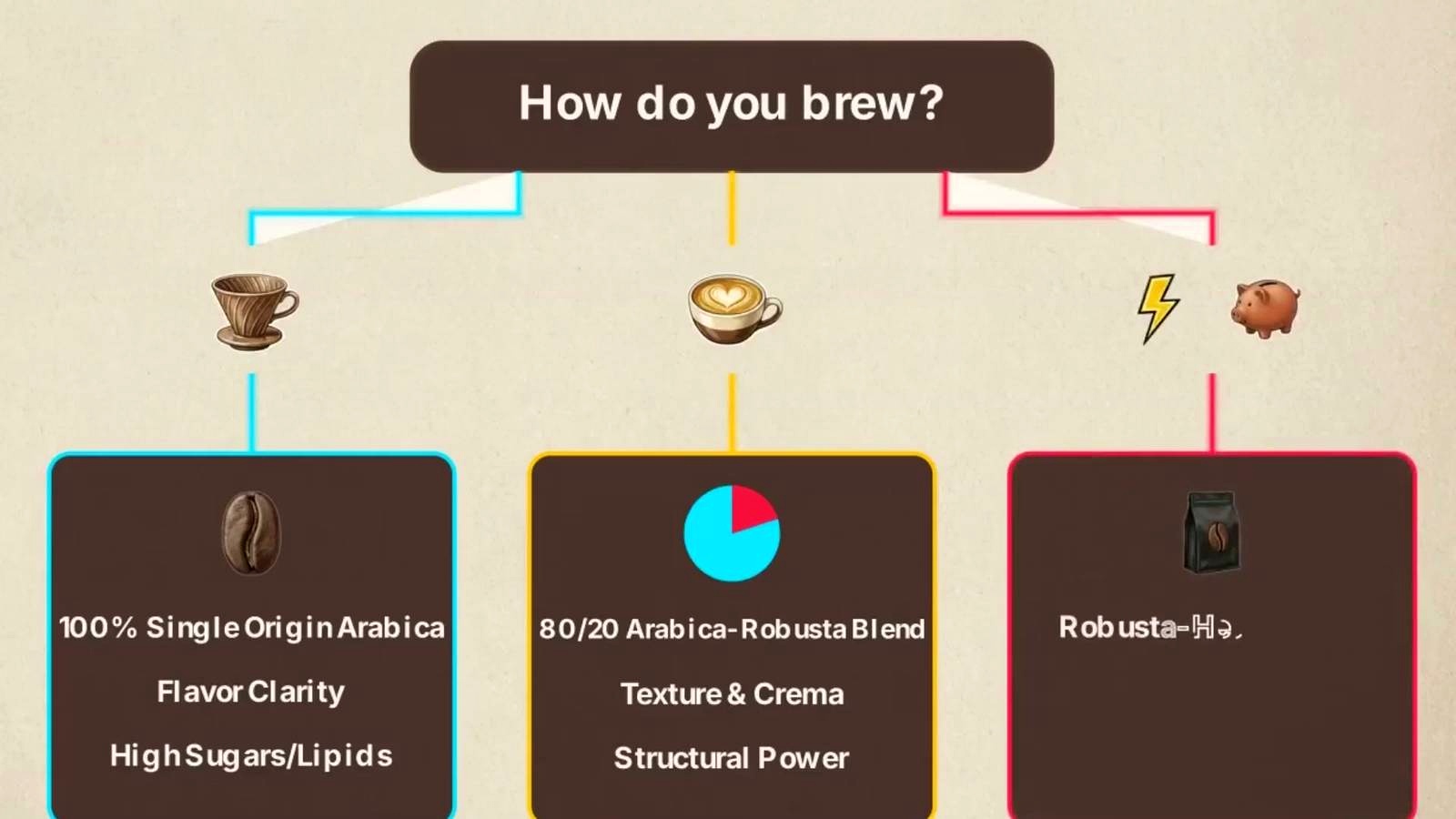
The smartest way to buy coffee is to ignore the prestige of the label and focus on the way you actually brew.
If you brew filter or pourover coffee
If you drink your coffee black and care most about flavor clarity, the recommendation is simple: choose 100% single-origin Arabica. That is the best path for experiencing those delicate sweet notes.
If you make lattes or cappuccinos at home
If your routine revolves around espresso and milk drinks, you need more than nuance. You need structure. A traditional 80/20 Arabica-Robusta blend provides the heavy body, thick crema, and physical power needed for those drinks.
If you want more caffeine on a tighter budget
If your priority is a stronger caffeine kick while staying budget-conscious, it makes sense to look for Robusta-heavy blends.
The Real Secret Behind a Better Cup
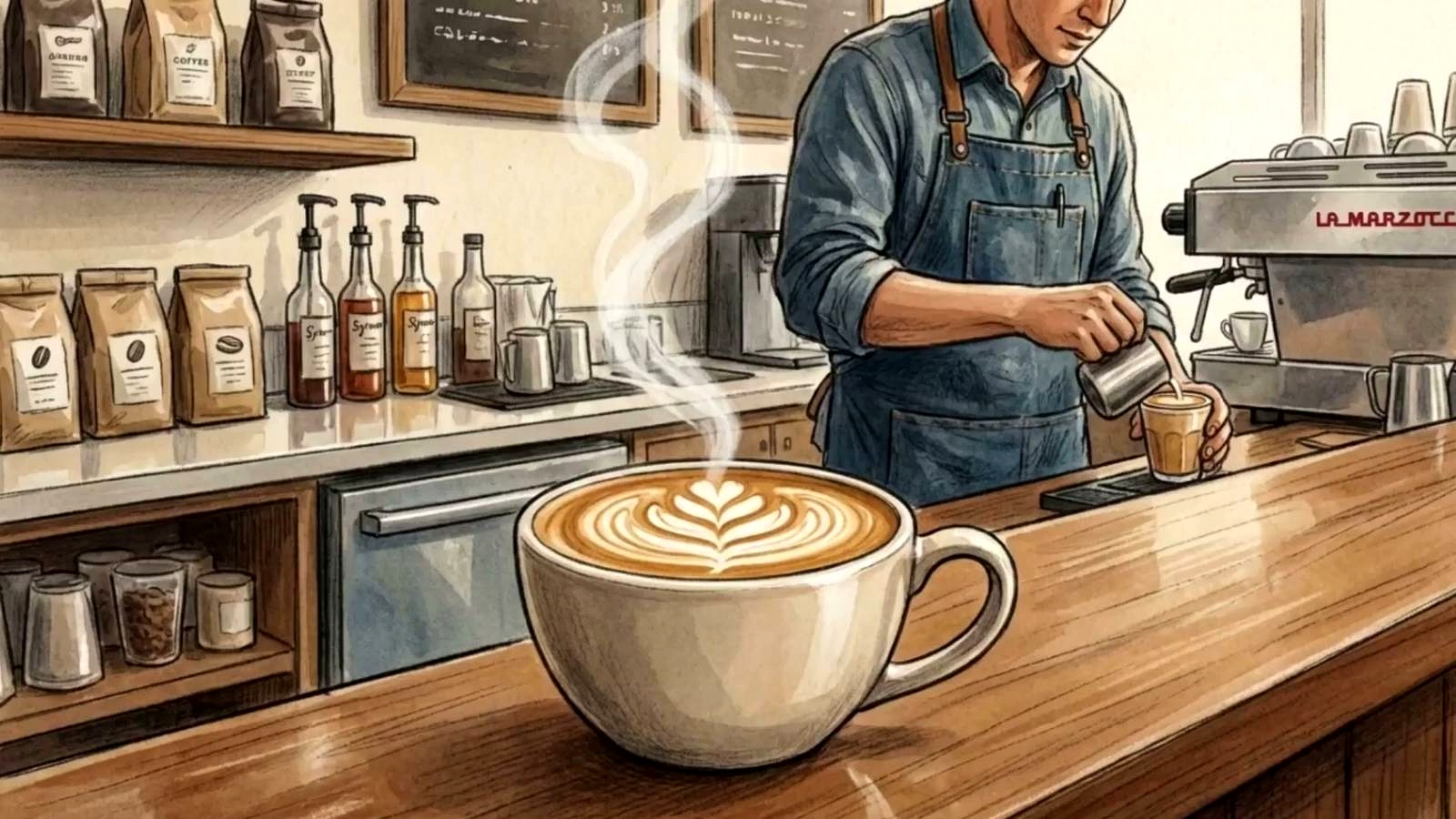
The best coffee choice is not the most prestigious-sounding one. It is the one whose chemical profile matches the brewing method you use every day.
That means Arabica is not automatically “better, ” and Robusta is not automatically “worse.” The gap between them is not just about status. It is about purpose, texture, flavor, and the kind of cup you actually want to drink.
FAQ
Is Arabica better than Robusta?
Not in every case. Arabica is better suited to black filter coffee because of its sweetness and flavor complexity, while Robusta can be more useful in espresso blends because it adds body and crema.
Why does Arabica cost more?
Arabica is more fragile, grows at higher altitudes, requires strict subtropical conditions, needs intensive manual labor, and is more vulnerable to pests and diseases. Those factors contribute to its higher price.
Why is Robusta more bitter?
Robusta contains more caffeine and significantly more chlorogenic acid. While that helps the plant survive, it also increases the baseline bitterness of the roasted coffee.
Why is Robusta used in espresso blends?
Robusta’s dense structure and higher protein content help trap carbon dioxide during extraction, producing thicker crema and heavier body. That makes it especially useful in espresso, particularly for milk-heavy drinks.
What is fine robusta?
Fine robusta is Robusta produced with the same rigorous standards used for specialty Arabica, including selective handpicking, careful sorting, and controlled processing. The result is a smoother, more refined cup.
What coffee beans should I buy for lattes?
For lattes and cappuccinos, a traditional 80/20 Arabica-Robusta blend is recommended because it provides the structure, crema, and body needed to stand up to milk.
What coffee beans should I buy for pourover?
For pourover or filter coffee drunk black, 100% single-origin Arabica is the recommended choice for maximum flavor clarity and delicate sweetness.
Source

Hi, I’m Peter Stone. I’m always noticing the simple things that make a place enjoyable — a relaxed atmosphere, a menu that actually makes you want to order, a corner table you’d happily sit at for an hour, or a café that just gets the vibe right. I like exploring casual cafés and food spots around Dubai and the UAE and writing about them in a way that feels honest and easy to read. Nothing too formal, just real impressions from places that stand out for the right reasons. If you enjoy finding new spots without the usual hype, you’ll probably feel at home here.