
The AeroPress Espresso Question Gets a Surprising Answer
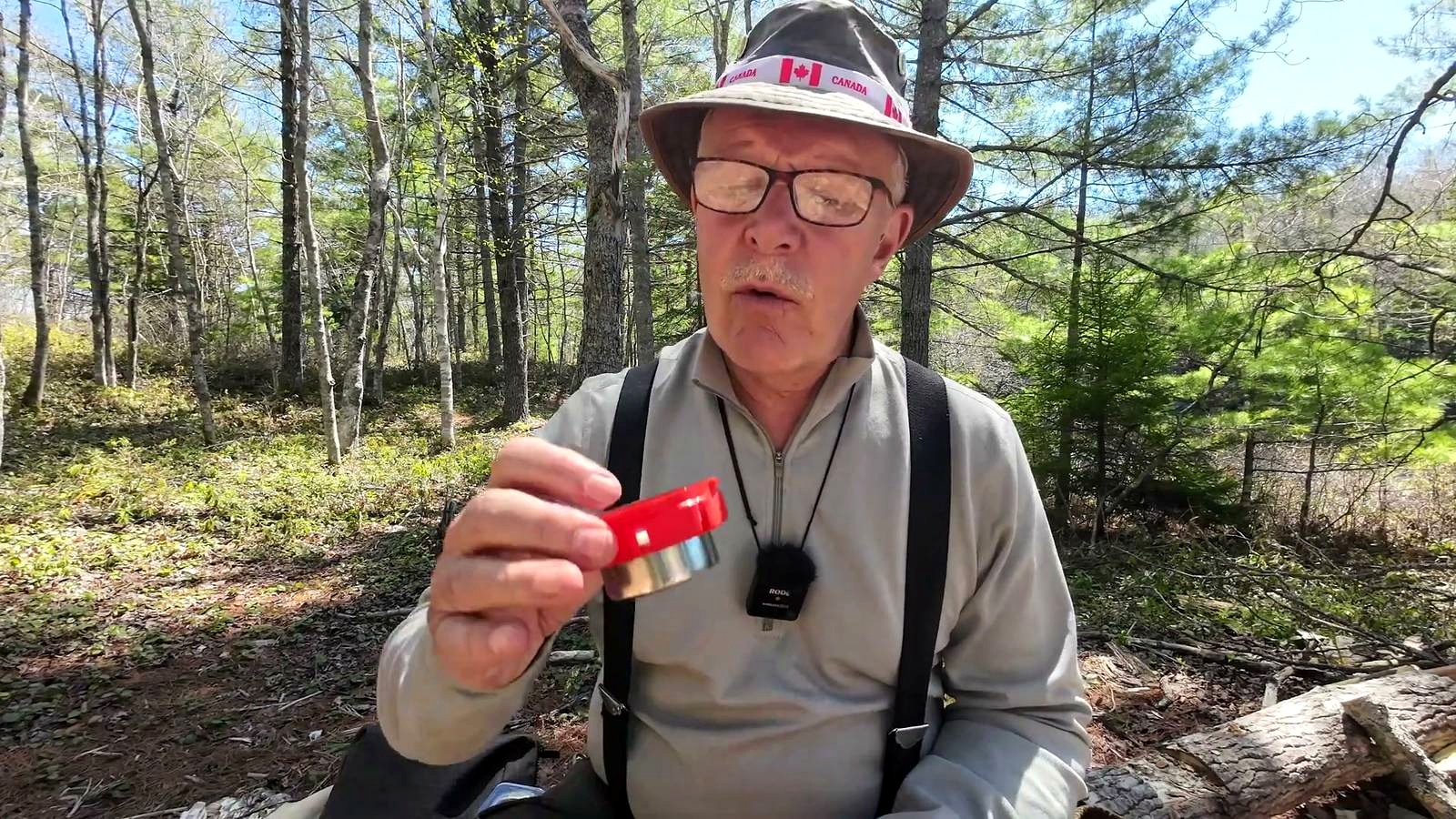
There’s a moment every coffee lover knows: a new gadget shows up, the promise sounds bold, and suddenly one question takes over the whole morning. Can an AeroPress really cross into espresso territory with the Joepresso attached?
The answer is both simpler and more interesting than the claim. What happens here is not quite espresso, but it gets close enough to make the whole experiment hard to ignore.
Can the AeroPress and Joepresso make real espresso?
Not physically. The key limit is pressure.
The Joepresso attachment is designed to create more resistance while pressing, which raises pressure inside the AeroPress. But it still does not reach the nine bars required for true espresso. That means this setup does not produce actual espresso, even if the result clearly moves in that direction.
What it does make is an espresso-like drink with some of the characteristics people chase in espresso:
- stronger flavor
- bolder taste
- more intensity than a standard AeroPress cup
- a crema-like foam on top
That distinction matters. It is not true espresso, but it is also not just regular AeroPress coffee with a fancy name.
Why the Joepresso still feels worth considering

What makes the Joepresso interesting is that it pushes the AeroPress into a different style of drink without pretending the laws of pressure no longer apply. The result is close enough to espresso to feel satisfying, especially if what you want is intensity rather than strict technical purity.
The impression after repeated use is clear: this device can make a very good espresso-like coffee. That alone gives it value.
What stands out in the cup
The drink comes out stronger and more concentrated than coffee made with the AeroPress by itself. It lands closer to a lungo, and maybe even in the neighborhood of a long black or Americano style, depending on how much water is used.
In the tasting, the final verdict was straightforward: it was not espresso, but it was “pretty darn good.”
What comes with the Joepresso

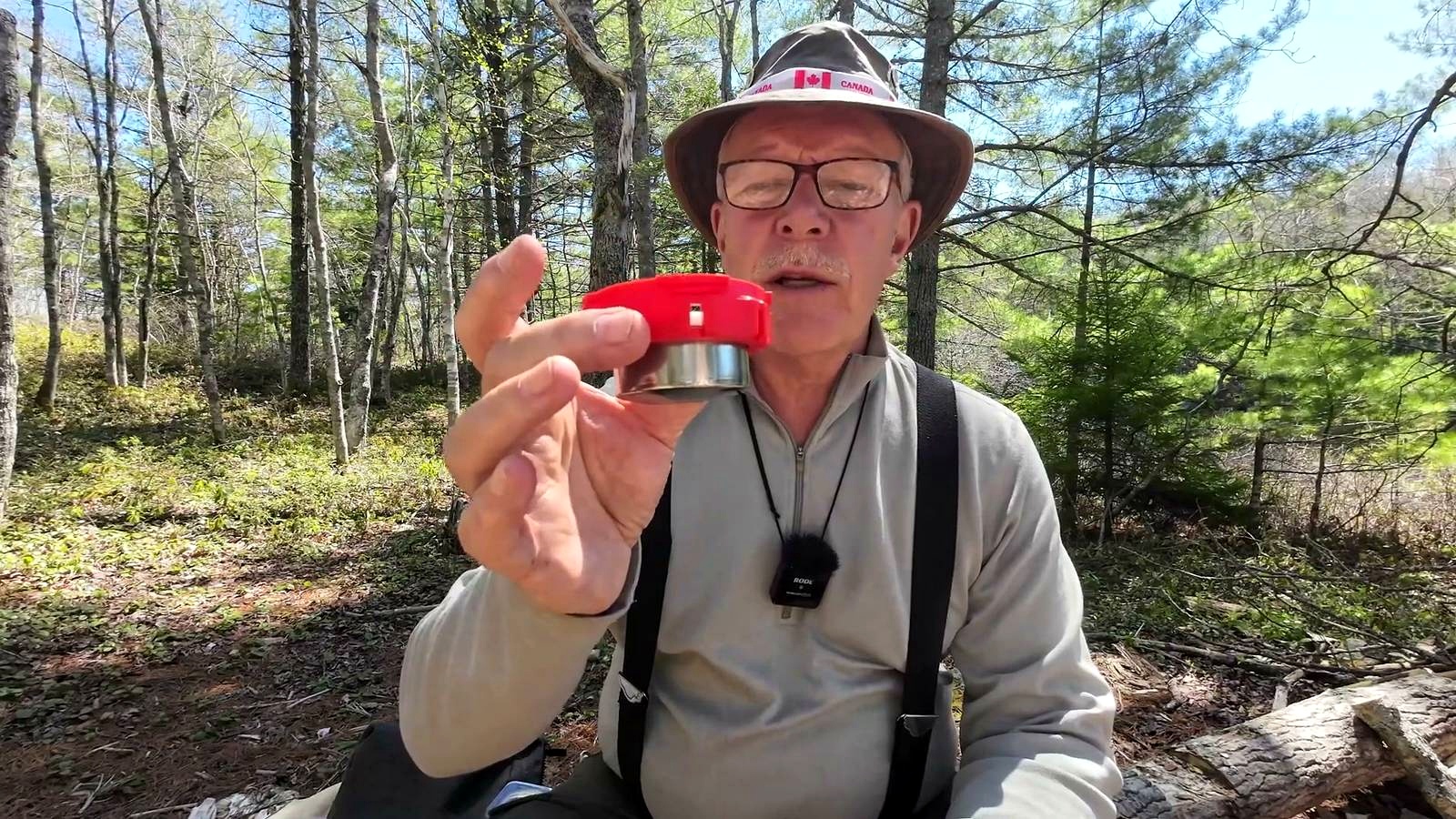
The setup is simple and compact. The Joepresso includes three main components used in brewing:
- a ring that attaches the unit to the AeroPress
- a basket or filter that holds the coffee
- a dispersion screen that sits on top of the coffee and spreads water over it
A manual is included as well, along with a QR code for additional information. The overall message is that this device benefits from experimentation. Different coffees, grind sizes, coffee doses, and water amounts all affect the result.
The basket included here is a pressurized basket. For people who prefer a non-pressurized basket, that option can also be purchased separately.
How the AeroPress Joepresso setup works

The assembly is direct:
- Place the basket into the holder.
- Add coffee to the basket.
- Set the dispersion screen on top.
- Attach the unit to the bottom of the AeroPress.
From there, it becomes a matter of hot water, careful pressing, and a little patience.
Coffee dose and grind
The basket is designed to hold between 11 and 14 grams of coffee. In this example, about 12 to 13 grams were used, with two good tablespoons giving roughly 13 grams.
The grind used was espresso-fine. The grounds were leveled with a small shake, but not tamped. That part is important. The process borrows a little from espresso preparation, but not everything carries over.
- Use a fine grind
- Level the grounds
- Do not tamp
- Keep the edges clear so the seal forms properly
Water amount and brew style
For a true espresso-style ratio, 13 grams of coffee would point toward a much smaller final yield. But because this setup does not make true espresso, the water amount can be approached more freely.
In this brew, about 50 milliliters of water were used. The goal was not a tiny shot, but something a little larger while still keeping that concentrated character. The finished cup ended up close to a lungo, with roughly 39 to 40 grams of coffee in the cup.
The pressing experience is where things get real

This is the part that changes the mood instantly.
Using the Joepresso takes much more force than using a regular AeroPress. The pressure is noticeable, and the recommendation is to hold on firmly and even pause during pressing to let some pressure come off.
That is not just about comfort. It is also about control.
The biggest downside
The main drawback is simple: it takes quite a bit of force to push the coffee through. That extra resistance is part of the design, but it also makes the process harder physically.
There is another issue too. If the brewer is lifted off the cup before pressure is released by pulling back on the piston, coffee can shoot out. The device can remain pressurized even after brewing seems finished, and that can turn into a messy surprise very quickly.
- pressing is harder than with a regular AeroPress
- pressure can remain trapped
- lifting the brewer too early can send coffee spraying out
That learning curve is very real. The first encounter with that leftover pressure led to coffee going everywhere.
The crema-like layer is one of the most intriguing parts
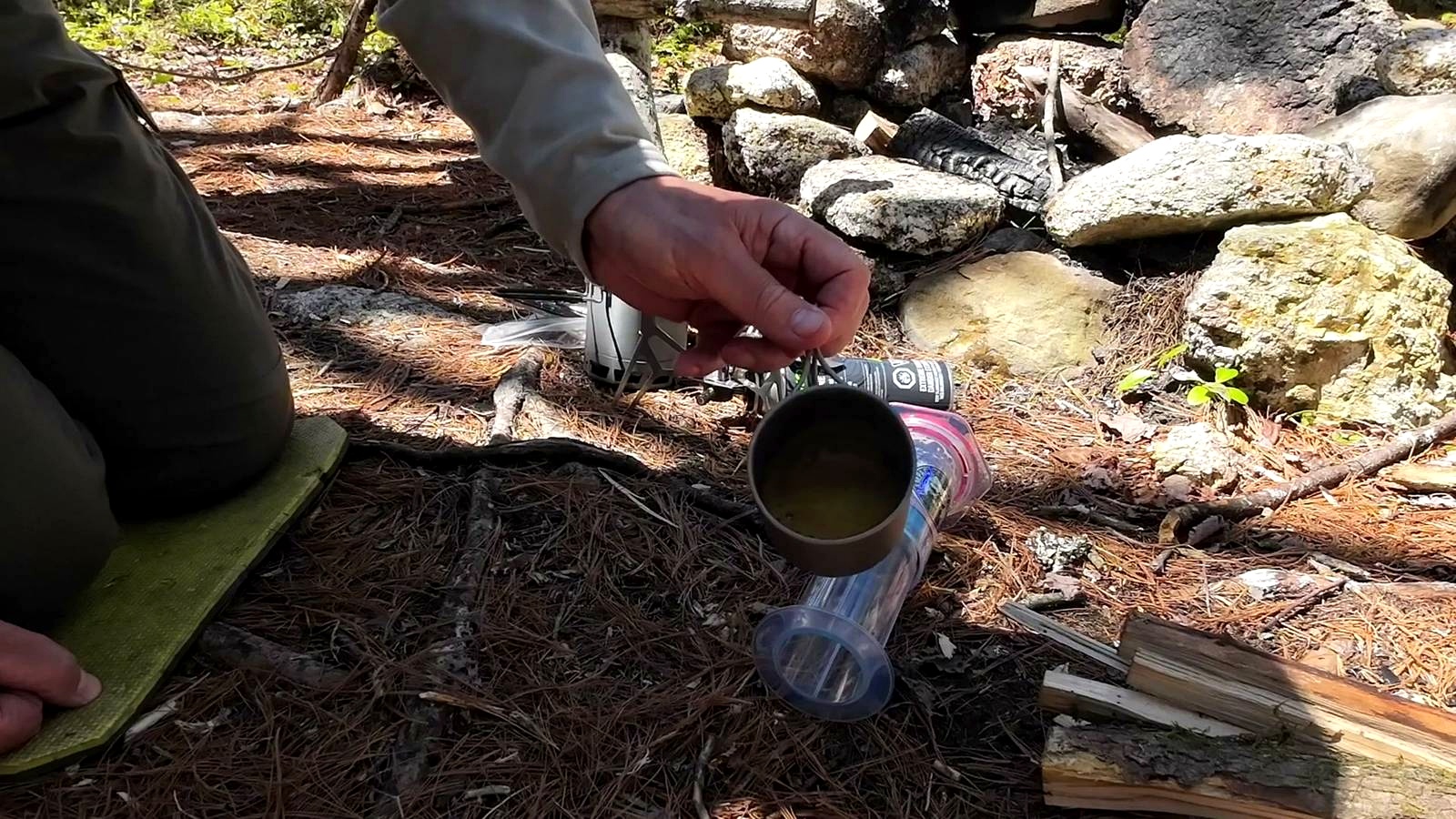
One of the most visually convincing results is the foam on top. It looks like crema, but it is not true crema. Still, it is a close imitation and it lasts better than expected.
Even after a few minutes, the crema-like layer was still present. That was a pleasant surprise.
There is also an important note here: crema is often tied to fresh coffee, not just pressure. Even excellent machines may struggle to produce a good crema if the coffee is old. In this case, the result in the cup held up well enough to leave a strong impression.
How it compares to other AeroPress pressure attachments

This was not the first pressure-focused AeroPress accessory in the mix. Other attachments and pressurized caps can also increase resistance and boost intensity. The difference here is that the Joepresso delivers a cup that feels especially close to espresso-like coffee.
There is still appreciation for AeroPress’s own flow control cap, especially because it prevents coffee from leaking out before pressing begins. That convenience matters. But after trying different attachments, the Joepresso stood out as a serious option for people chasing a richer, more concentrated AeroPress drink.
Is the Joepresso worth it?

The price mentioned here is $30, which makes it a significant add-on. That cost becomes part of the decision immediately.
So the value question comes down to what you actually want:
- If you want true espresso, this is not it.
- If you want a stronger, bolder AeroPress drink that gets impressively close, it starts to make sense.
- If you enjoy experimenting with variables like grind size, coffee dose, and water amount, it becomes even more appealing.
After spending time with it, the overall feeling was positive. It is fun to use, it rewards dialing in the variables, and it can make a really good cup of coffee.
Who this AeroPress attachment is really for
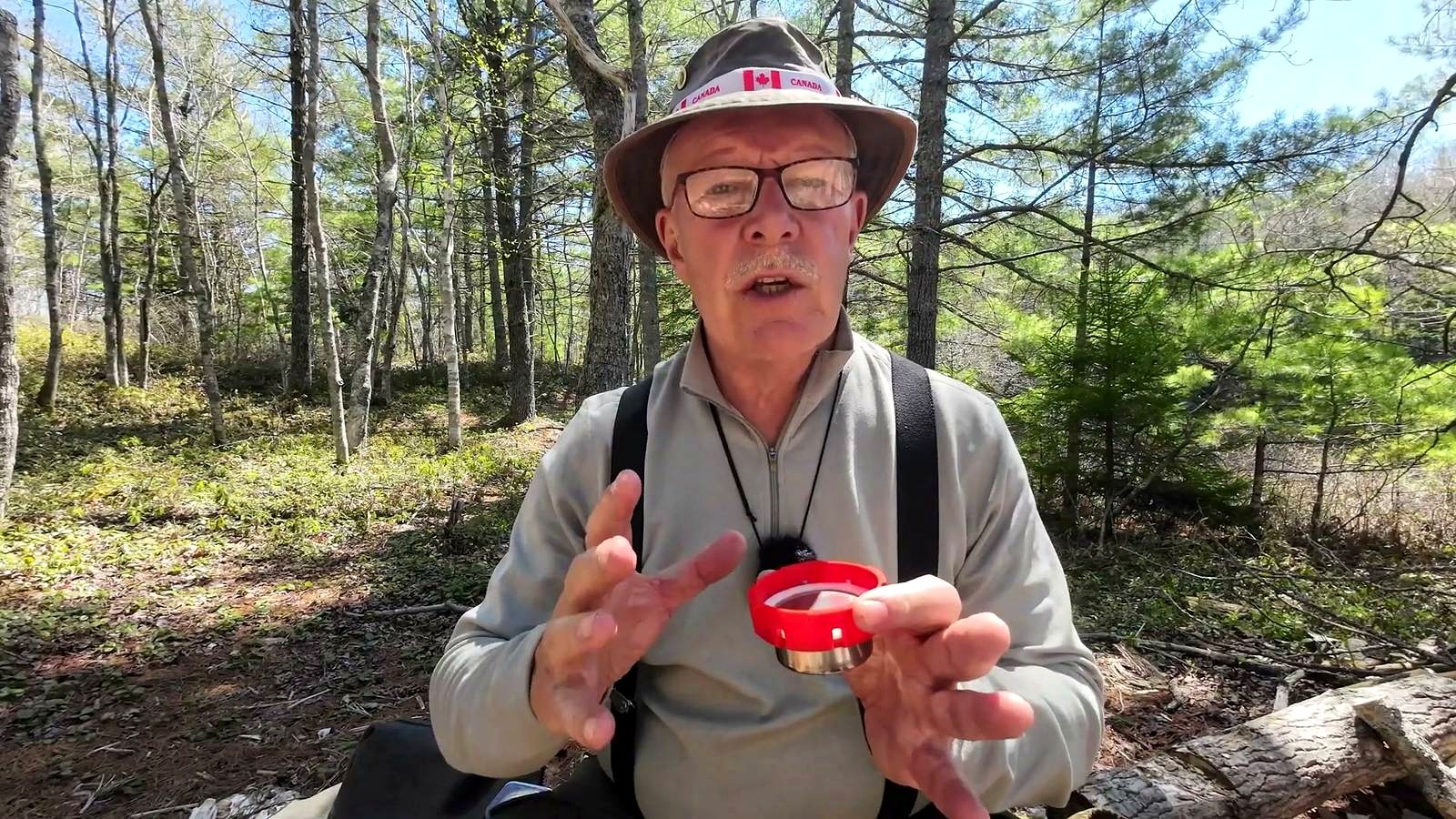
The Joepresso feels best suited to someone who wants more than a standard AeroPress brew but is comfortable with a little trial and error. It is not about replacing an espresso machine. It is about stretching what the AeroPress can do.
And that is where the whole thing becomes more compelling than the original claim. The Joepresso does not turn the AeroPress into a true espresso machine. But it does push it into a richer, more intense space that many coffee drinkers may find surprisingly satisfying.
FAQ
Can the AeroPress with Joepresso make real espresso?
No. The AeroPress cannot generate the nine bars of pressure required to make true espresso, even with the Joepresso attachment.
What kind of drink does the Joepresso make?
It makes an espresso-like drink that is stronger, bolder, and more intense than standard AeroPress coffee.
How much coffee does the Joepresso basket hold?
The basket is designed for 11 to 14 grams of coffee. In this example, about 12 to 13 grams were used.
Do you tamp the coffee in the Joepresso basket?
No. The grounds are leveled, but not tamped.
What grind size works with the Joepresso?
An espresso-fine grind was used here, though experimentation with grind size is part of the process.
How much water was used in this brew?
About 50 milliliters of water were used to produce a concentrated drink closer to a lungo.
Does the Joepresso create crema?
It creates a crema-like foam, not true crema, but the result can look impressively close and may last longer than expected.
What is the biggest downside of the Joepresso?
The biggest downside is the amount of force needed to press. It also stays pressurized, so lifting it too early can cause coffee to spray out.
Is there a non-pressurized basket option?
Yes. A non-pressurized basket is available as an option from Joepresso.
Is the Joepresso worth buying?
If the goal is true espresso, no. If the goal is a concentrated, espresso-like AeroPress drink with more intensity, it is worth considering.
Source

Hey, I’m Francis Booker. I’ve always liked places that feel alive — the kind of cafés where people talk for hours, meet friends after work, or just stop by for a coffee and end up staying much longer than planned. That’s probably why I enjoy writing about café culture in the UAE so much. For me, it’s not only about the coffee itself, but also about the mood, the people, and the feeling a place leaves behind. Through my posts on FarziCafe, I share spots, moments, and little observations that make café life here so interesting. Glad you’re here.