
Why Regular Manicures and Pedicures Are More Than Just a Beauty Treatment
Nail care in the UAE
More than polish: why regular manicures and pedicures actually matter
Most people book a manicure because they want tidy hands for a wedding, a meeting, or a weekend brunch. That is a fair reason, but it is only half the story. Regular nail and foot care is closer to routine maintenance than to pampering. It keeps bacteria and fungus in check, it flags problems while they are still small, and in a climate like the UAE, where sandals, pool decks and air-conditioned offices dry the skin fast, it keeps hands and feet genuinely comfortable.
If you have been treating salon visits as an occasional treat, this guide lays out what regular care really does for your nails, feet and hygiene, how often to book, and what to keep doing at home between appointments.
Nail health
What your nails tell a good technician
Nails are a small window into general health. Ridges, discoloration, brittleness and separation from the nail bed can all point to nutritional gaps, thyroid issues, or early fungal infection. A trained technician sees dozens of hands a day and often spots changes before you do. According to the American Academy of Dermatology subtle changes in nail color or shape can be an early sign of underlying conditions worth checking with a doctor.
Regular visits also mean cuticles are pushed back rather than cut aggressively, ingrown edges are filed down before they turn painful, and the nail plate is buffed lightly instead of over-thinned. Over time, that steady care produces stronger nails that snap and peel far less.
The real benefits vs the common concerns
What regular treatments give you
- Early detection of fungal or bacterial issues
- Fewer ingrown fingernails and toenails
- Softer cuticles without painful tearing
- Callus and cracked-heel management
- Improved circulation from hand and foot massage
- Cleaner nail folds and less bacteria build-up
- Stronger nails thanks to consistent shaping and oiling
What worries people (and why it usually is not true)
- “Nails need to breathe” – nails get oxygen from blood, not air
- “Frequent manicures damage nails” – only bad technique does
- “Pedicures are only for women” – foot health is not gendered
- “Gel polish ruins nails” – improper removal is the actual culprit
- “Cuticles should always be cut” – pushing back is safer
- “Home tools are just as good” – sterilisation is the difference
Foot health
Why pedicures matter more in the Gulf climate
Feet take a beating in the UAE. Sandals and open shoes are worn most of the year, hot pavement and pool tiles dry the skin, and air-conditioned indoor air pulls moisture straight out of the heels. The result is the familiar cycle of calluses, cracked heels and rough patches that snag on bedsheets.
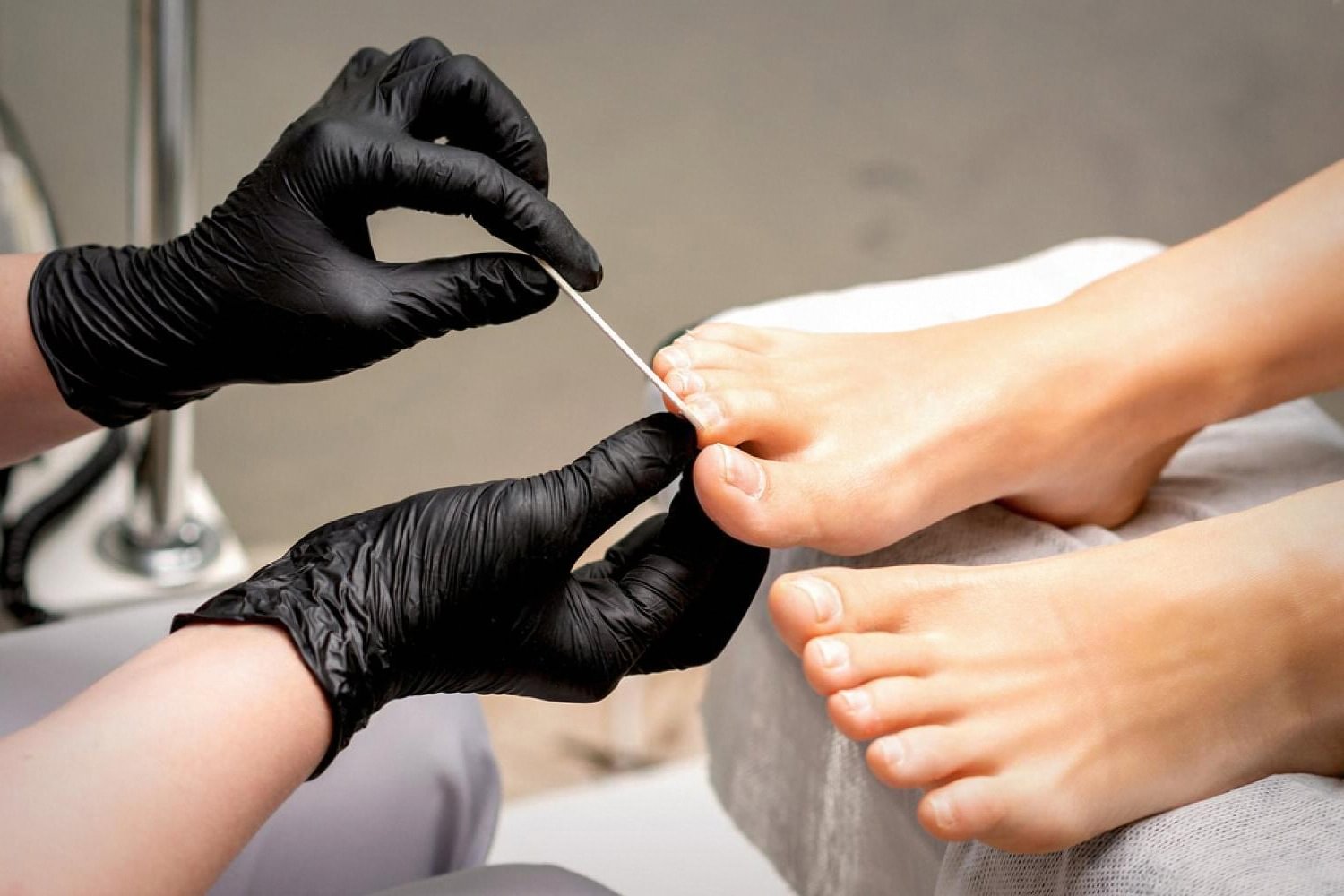
A proper pedicure removes hardened skin without shaving it aggressively, treats cracked heels with hydration rather than blades, and works on circulation through a lower-leg massage. That massage matters more than it sounds: better blood flow means faster healing of small cuts and less swelling after long days in heat.
Practical tip 1: build a schedule around your lifestyle
There is no single correct frequency. The right rhythm depends on how fast your nails grow, whether you wear gel or regular polish, and how much wear and tear your hands and feet get.
- Regular polish or bare nails: a manicure every 2 to 3 weeks keeps shape and cuticles tidy.
- Gel or extensions: book every 3 to 4 weeks for professional removal and refill, never peel gel off yourself.
- Pedicures: every 4 to 6 weeks is enough for most people in the UAE, tighter in summer when sandals are constant.
- Fast growers or active hands: shorten the gap by a week, especially if you type, cook or train often.
- Special occasions: book 2 to 3 days before, not the morning of, so any redness settles.
If you want a steady rotation with a technician who already knows your nail history, working with a trusted nail salon in Dubai makes the schedule much easier to keep, since your file, preferences and any sensitivities stay on record.
Practical tip 2: home care is half the result
What you do between appointments decides how your nails look on the day of the next one. The habits are small and cheap, but they compound.
- Moisturise hands and feet daily, especially after washing or swimming.
- Use a nail oil (jojoba or almond) on cuticles every night, it prevents peeling and hangnails.
- Apply sunscreen on the backs of your hands. UV exposure ages skin and darkens nails faster than most people realise.
- Trim nails straight across, then round the corners lightly with a file to reduce ingrown risk.
- Wear gloves for cleaning, dishwashing and gardening. Household chemicals dry the nail plate fast.
- Do not bite or pick. It sounds obvious, but stress picking undoes weeks of care in one afternoon.
Practical tip 3: judge a salon by its hygiene, not its décor
Nail infections happen when tools are not properly sterilised, not because manicures are inherently risky. A safe salon is easy to spot if you know what to look for.
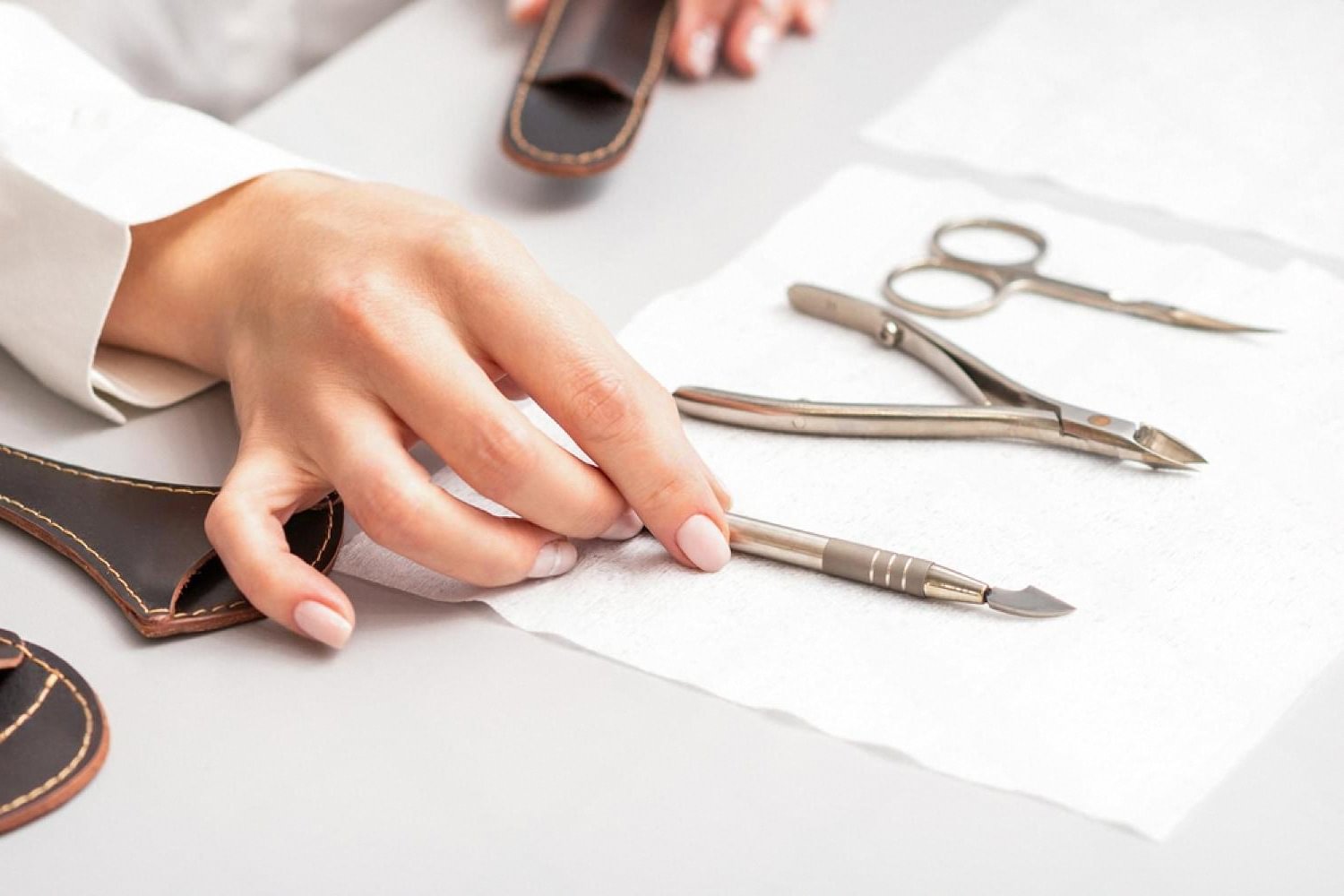
- Sealed tool pouches. Metal implements should come out of an autoclave bag opened in front of you.
- Fresh files and buffers. These are porous and cannot be sterilised, they should be new or personally yours.
- Clean pedicure basins. Ask whether they use disposable liners or a documented cleaning cycle between clients.
- Technicians in gloves who wash hands between clients.
- No razor blades on calluses. Credo blades are banned in many jurisdictions and cause more damage than they solve.
If a salon cannot answer these questions comfortably, choose another. The fungal infections most often blamed on manicures almost always trace back to tool hygiene, not to the treatment itself.
What to avoid
- Peeling off gel polish, it strips layers of the natural nail with it.
- Cutting cuticles deeply, they are a live seal against bacteria.
- Sharing files, buffers or clippers, even at home with family.
- Skipping SPF on your hands during long drives, UV comes through car windows.
- Ignoring changes in nail colour, texture or a persistent white or yellow patch, book a check-up.
Frequently asked questions
How often should I get a manicure and pedicure in the UAE?
For most people, a manicure every 2 to 3 weeks and a pedicure every 4 to 6 weeks works well. If you wear gel polish, book every 3 to 4 weeks so it can be removed professionally rather than picked off. In summer, when sandals are worn daily, tightening the pedicure gap by a week keeps heels from cracking.
Do nails really need to breathe between polishes?
No. Nails receive oxygen and nutrients through the blood supply under the nail bed, not from the air. What nails actually need is hydration and gentle handling. If your nails look dull or thin after removing polish, the cause is usually harsh removal or over-buffing, not lack of air.
Are pedicures only for women?
Not at all. Pedicures are a foot-health treatment first and a cosmetic one second. Men benefit just as much, arguably more, since many wear closed shoes in heat, develop calluses from the gym, and rarely moisturise their feet. Most reputable salons offer classic pedicures without polish.
Will regular manicures weaken my nails?
Done correctly, no. Weak nails come from over-buffing, aggressive cuticle cutting, or peeling gel polish off, not from the manicure itself. A good technician shapes the nail lightly, pushes cuticles back rather than cutting deeply, and finishes with oil. That routine builds strength over time.
How can I tell if a salon is hygienic before I book?
Look for sealed autoclave pouches opened in front of you, single-use or personal files and buffers, disposable pedicure basin liners, gloves on technicians, and no use of razor-style callus blades. A confident salon will happily answer questions about sterilisation. If the answers feel vague, choose somewhere else.
Can regular pedicures help with cracked heels?
Yes, especially in the UAE climate. A proper pedicure gradually reduces built-up hard skin with a foot file and moisturising soak, then seals in hydration. Combined with daily foot cream at home and cotton socks overnight during rougher patches, cracked heels usually improve within a few weeks.
Is it safe to remove gel polish myself at home?
It is safer to have it removed professionally. Gel is designed to bond tightly to the nail plate, so peeling or scraping it off takes several layers of natural nail with it. If you cannot get to a salon, soak nails in acetone-saturated cotton wrapped in foil for 10 to 15 minutes and gently push the softened gel off, never force it.

Hi, I’m Peter Stone. I’m always noticing the simple things that make a place enjoyable — a relaxed atmosphere, a menu that actually makes you want to order, a corner table you’d happily sit at for an hour, or a café that just gets the vibe right. I like exploring casual cafés and food spots around Dubai and the UAE and writing about them in a way that feels honest and easy to read. Nothing too formal, just real impressions from places that stand out for the right reasons. If you enjoy finding new spots without the usual hype, you’ll probably feel at home here.