
Can Orthodontic Treatment Help With Jaw Pain or Uneven Tooth Wear?
Bite health guide
When your jaw hurts, the answer is often in your bite
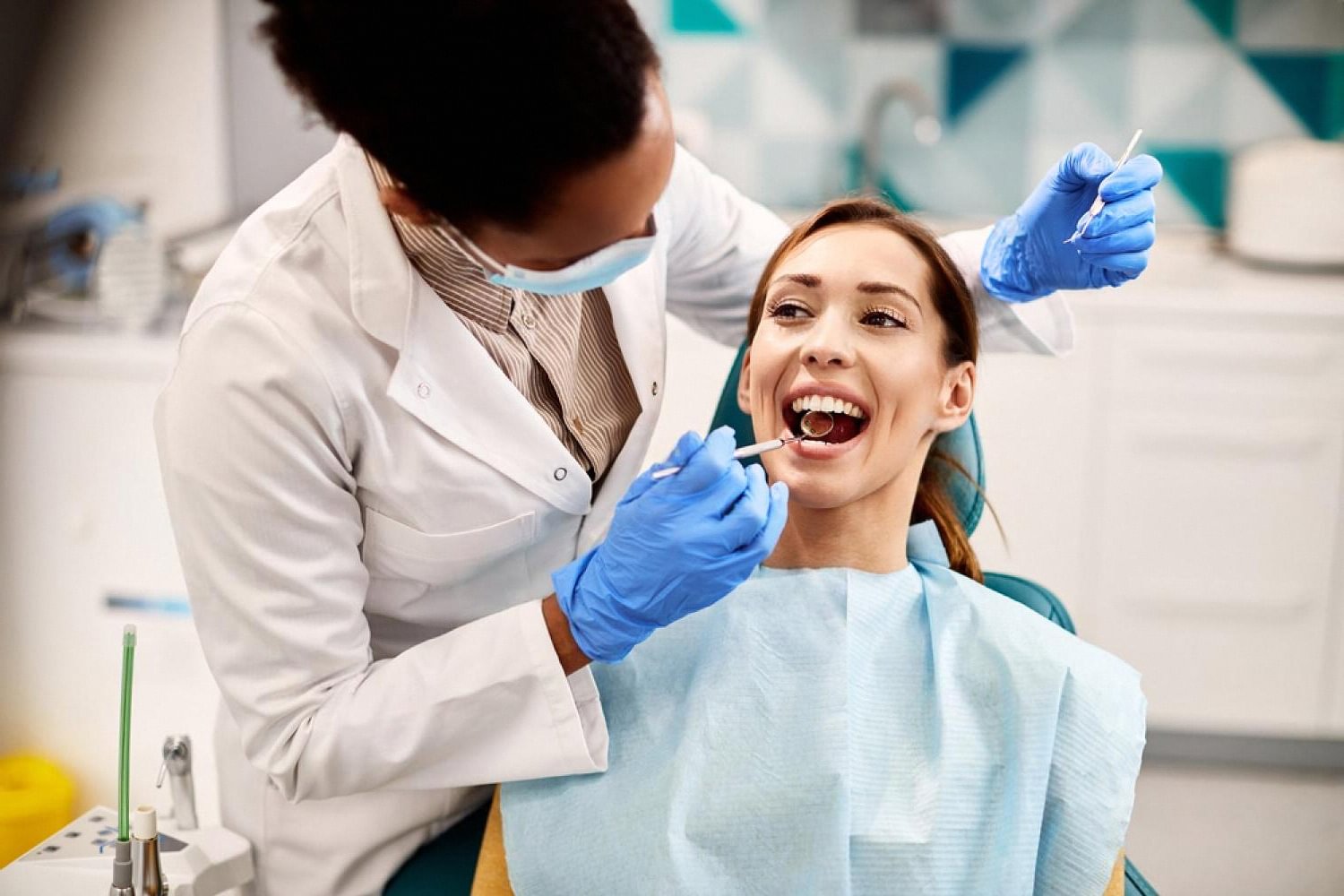
Sore jaws in the morning, clicking when you chew, flat or chipped front teeth: these are not random. They usually point to how your upper and lower teeth meet. Orthodontic treatment is one of the most effective ways to fix that root cause, not just mask it.
Why it happens
Your bite does more work than you think
Every time you chew, swallow, or clench, your teeth press against each other. When the bite is even, that force is spread across many teeth. When it is off, a few teeth take the load, and the jaw joint (the TMJ) has to twist and strain to make contact.
Over months and years, this shows up in two ways. First, jaw muscles get tired and sore, giving you headaches, ear pressure, or a stiff jaw in the morning. Second, the teeth that carry the extra pressure start to wear down, chip, or become sensitive. According to the US National Institute of Dental and Craniofacial Researchbite problems are one of several factors linked to TMJ disorders.
When to see someone
Signs your jaw pain may be an orthodontic problem
Not every ache needs braces, but some patterns are worth taking to a dentist or orthodontist. If you notice several of the signs below on a regular basis, a bite check is a good idea.
- Jaw feels tight or sore when you wake up
- Clicking or popping when you open your mouth
- Front teeth look flatter or shorter than they used to
- One side of your mouth does most of the chewing
- Frequent headaches around the temples
- Teeth feel sensitive without any decay
What to expect
How orthodontic treatment fixes the cause
The idea is simple. If your teeth are guided into a position where they meet evenly, the jaw muscles stop overworking, and the pressure on any single tooth drops. Pain often eases within a few months, and further wear slows down or stops.
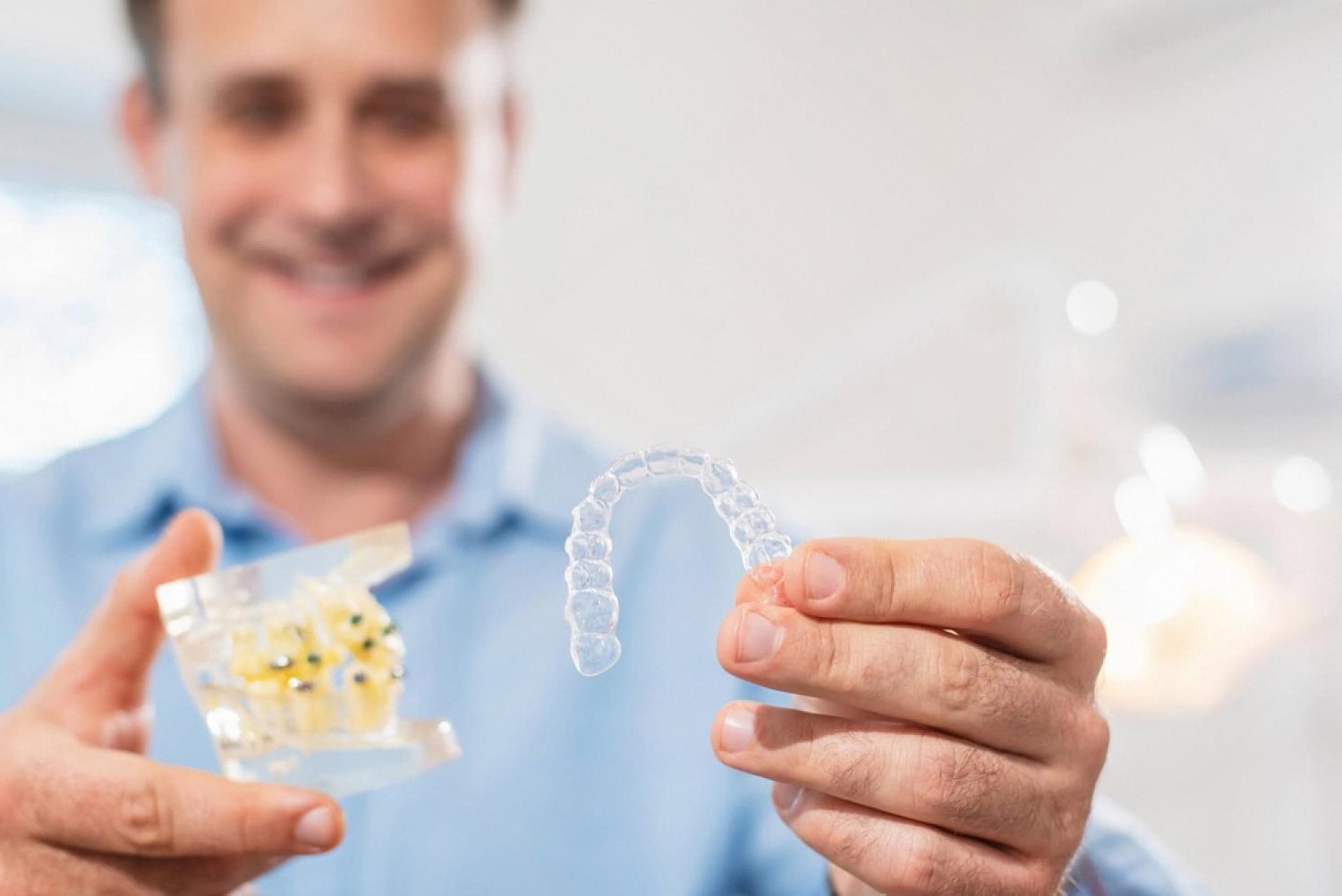
This might mean braces, clear aligners like Invisalign, or a combination with a night guard. Which one suits you depends on your bite pattern, age, and daily routine. A good specialist orthodontist abu dhabi will start with X-rays, digital scans, and a full bite analysis before recommending anything.
The treatment journey, step by step
- Consultation and bite check. The orthodontist listens to your symptoms, checks your jaw joint, and looks at how your teeth meet.
- Scans and records. Digital 3D scans, panoramic X-rays, and photos map out where every tooth sits.
- Treatment plan. You get a clear plan showing what appliance will be used, how long it will take, and the expected result.
- Active treatment. Braces or aligners gradually shift the teeth. Adjustments happen every 4 to 8 weeks.
- Bite fine-tuning. Near the end, small refinements make sure the teeth meet evenly across the whole arch.
- Retainers. After the appliance comes off, retainers hold the new bite in place so the pain does not return.
Options at a glance
Metal or ceramic braces
Best for complex bite corrections. Typical duration 18 to 30 months. Strong control over tooth movement in all directions.
Clear aligners
Removable, nearly invisible trays. Good for mild to moderate cases. Usually 8 to 18 months. Easier to clean and eat with.
Braces plus night guard
For patients who also grind their teeth. The guard protects teeth at night while orthodontics corrects the underlying bite.
Fixing the bite is not just about a straighter smile. It changes how the whole jaw works, and often the pain settles once the pressure is spread evenly again.
In the UAE
What patients here should know
- Insurance cover varies. Some UAE health plans cover part of orthodontic care when it is linked to a medical issue like TMJ. Ask before you start.
- Adults are welcome. Around half of orthodontic patients in Dubai and Abu Dhabi clinics are adults. There is no age limit for a healthy result.
- Heat and aligners. If you use clear aligners, do not leave them in a hot car during summer. They can warp.
- Ramadan planning. Adjustment visits can be scheduled around fasting hours if soreness is a concern.
A few things to remember
Jaw pain and uneven wear are your body telling you something is off. Ignoring them tends to make both worse. Painkillers and night guards can help in the short term, but they do not move teeth back into the right position.
Orthodontic treatment is a longer path, but it treats the reason the pain started. The result is usually less strain on the jaw, more even wear across the teeth, and, yes, a straighter smile as a bonus.
Frequently asked questions
Can braces really stop my jaw from hurting?
In many cases, yes. If the pain comes from an uneven bite, moving the teeth into a better position takes the pressure off the jaw joint and the muscles around it. Most patients notice the ache easing within the first few months of treatment. If the pain has other causes, like arthritis or stress-related clenching, orthodontics alone may not be enough, and your dentist might add a night guard or physio.
Will fixing my bite stop my teeth from wearing down further?
Usually it slows the wear a lot or stops it. Once the biting force is spread across many teeth instead of just a few, the front teeth stop taking all the impact. Any tooth that is already chipped or flat may still need a small filling or bonding to rebuild it, but new damage should not keep piling up.
Are clear aligners as effective as braces for bite problems?
For mild to moderate bite issues, modern clear aligners work very well. For more complex cases involving big jaw discrepancies or heavily rotated teeth, fixed braces still give the orthodontist more control. A proper consultation with scans will tell you which option fits your case.
How long does treatment take if the main issue is jaw pain?
Most cases run between 12 and 24 months. Simple corrections can finish in under a year, while more complex bite rebuilds may take longer. Pain relief usually starts earlier than the full alignment result, often within the first 3 to 6 months.
Is orthodontic treatment covered by health insurance in the UAE?
It depends on your plan. Some UAE insurers cover part of the cost when treatment is linked to a diagnosed medical issue like TMJ disorder or severe bite problems. Purely cosmetic cases are usually not covered. Ask your clinic to help you submit a pre-approval before starting.
Am I too old for braces or aligners?
No. Teeth can be moved at any age as long as your gums and bone are healthy. Adult patients now make up a large share of orthodontic cases in the UAE, and many choose clear aligners because they are discreet at work.
What happens if I do nothing about my jaw pain and worn teeth?
The pain often gets worse over time, and the teeth keep wearing down. Once enamel is gone it does not grow back, so you may eventually need crowns or veneers to rebuild the lost tooth height. Treating the bite early is usually cheaper and less invasive than fixing the damage later.

Hi, I’m Peter Stone. I’m always noticing the simple things that make a place enjoyable — a relaxed atmosphere, a menu that actually makes you want to order, a corner table you’d happily sit at for an hour, or a café that just gets the vibe right. I like exploring casual cafés and food spots around Dubai and the UAE and writing about them in a way that feels honest and easy to read. Nothing too formal, just real impressions from places that stand out for the right reasons. If you enjoy finding new spots without the usual hype, you’ll probably feel at home here.